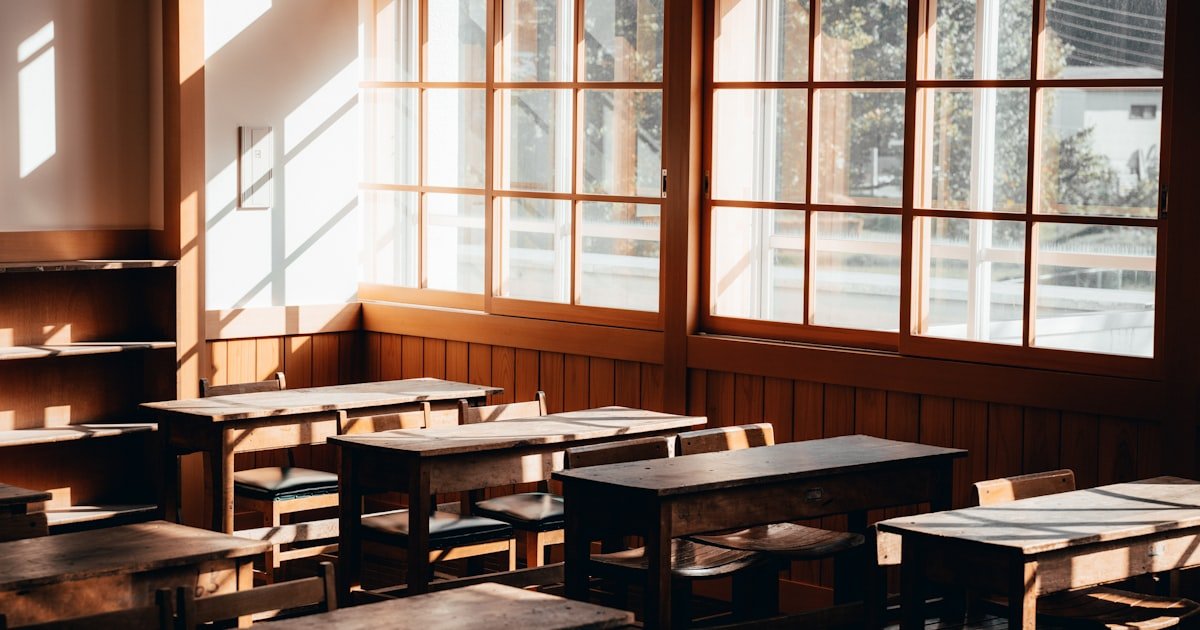
Boho Classroom Decor for Teachers on a Real Budget
A well-designed classroom can boost a child’s learning progress by up to 16% in a single year, according to research from the University of Salford. That’s not a decorating tip — it’s data. And it’s exactly why boho classroom decor has become the go-to style for teachers who want a room that feels calm and warm, not just Pinterest-pretty.
If you’ve ever stood in an empty classroom in August wondering where to start, you’re not alone. Rattan baskets, macrame, and a jute rug can only do so much if the bones aren’t right.
Here’s what you’ll walk away with: a color palette that holds up under fluorescent lighting, a reading nook kids fight over, a budget breakdown by price tier, and the one wall-decor mistake most boho Pinterest boards never mention. Let’s build a room you — and your students — actually want to spend nine months in.
Key Takeaways
• Boho classroom decor blends earth tones, rattan, macrame, and real or faux plants — not themed sets.
• Well-designed classrooms show up to 16% better learning progress in a year (University of Salford, 2015).
• Budget in tiers — under $25, $25-$100, $100+ — most rooms only need the first two.
• At Home Decor Beauty, we recommend removable, renter-safe pieces since most teachers redecorate every year.
Table of Contents
What Is Boho Classroom Decor, Exactly?
In 2026, boho classroom decor means earth-toned color schemes, natural materials like rattan and jute, and soft textures such as macrame or woven cotton, applied to a working teaching space instead of a living room. It borrows bohemian style’s warmth without the fragile pieces a room full of eight-year-olds would destroy by October.
Boho classroom decor is a teaching-space design approach built on natural materials, muted earth tones, and layered texture instead of primary-color themed sets. The real differentiator: everything has to survive spilled glue and a rolling backpack cart.
Most style guides borrow straight from home decor blogs and skip that distinction. A living room macrame piece and a classroom one aren’t interchangeable — the classroom version needs to be washable, glue-resistant, and mounted with removable hooks, not nails.
According to Pinterest’s 2026 trend report, searches for related earthy, artisan-made decor styles are climbing fast: “afrobohemian home decor” is up 220% and “adire fabric” up 130% year over year, a signal that boho broadly is shifting toward natural materials and away from mass-produced sets (Pinterest Predicts 2026, via Apartment Therapy). That shift matters for teachers too — fewer plastic themed bulletins, more baskets and woven textiles that last multiple school years.
Which Boho Color Palette Works Under Fluorescent Lights?
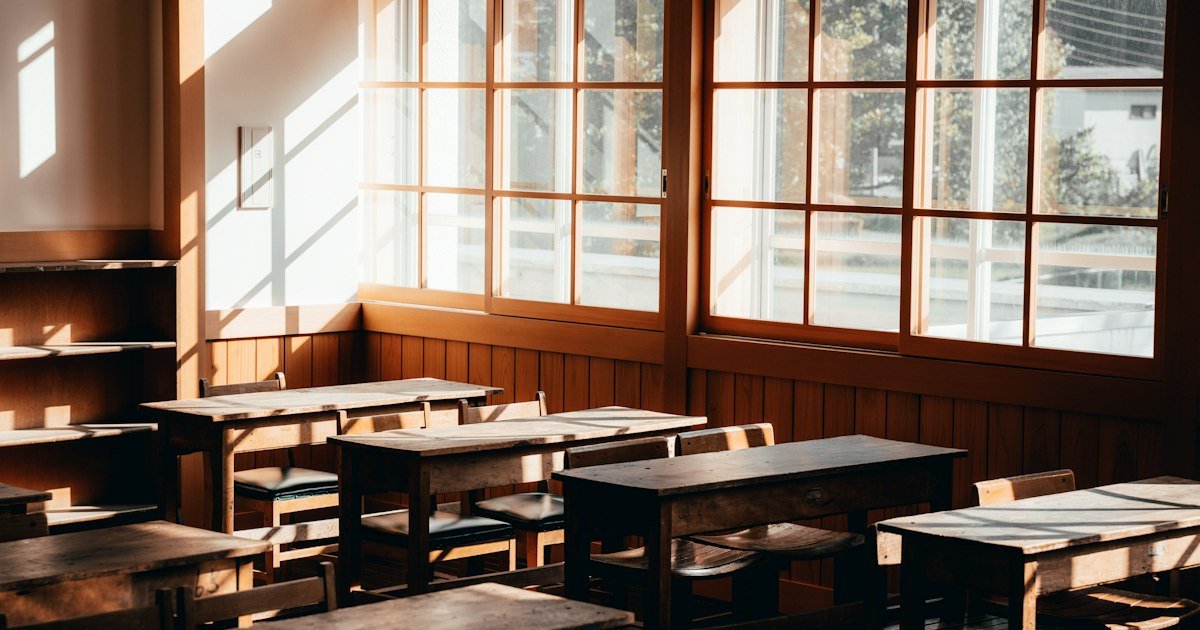
As of 2026, the boho classroom decor palette that survives harsh overhead lighting is terracotta, sand, sage green, and warm cream, with one muted accent like dusty rose or ochre layered on top. That’s the direct answer. Bright primary colors — the classroom default for decades — read as loud and slightly clinical under fluorescent tubes. Earth tones don’t fight the lighting; they absorb it.
Color temperature matters more than most teachers realize. A rug or bulletin board that looks rich and warm in a store’s incandescent lighting can go flat and gray under classroom fluorescents. Test fabric and paint swatches in the actual room before committing — not against a laptop screen at home.
If your walls are stuck at builder-beige and you can’t paint, do the color work through textiles instead: a terracotta rug, sage floor cushions, a cream-and-tan macrame piece. None of it needs administrator approval, and all of it moves with you if you switch rooms.
How Do You Build a Reading Nook Kids Actually Use?
A reading nook is the anchor of most boho classroom decor setups, and it works when it’s physically set apart from the rest of the room — even a bookshelf turned sideways does the job — and layered with soft, low seating: a jute rug, two or three floor cushions, and a small canvas tent for younger grades. That’s the short version. Here’s the part most guides skip.
Scale matters. A standard reading nook needs at least 4 feet by 5 feet of open floor to fit a rug, two cushions, and a bookshelf without kids climbing over each other. Anything smaller turns into a squeeze zone nobody wants to sit in.
I made this mistake in my first classroom setup — I crammed a nook into a 3-foot corner because it looked good in the mockup, and no one ever sat there. Give the space room to breathe, or skip the nook and add a single oversized floor cushion by the window instead.
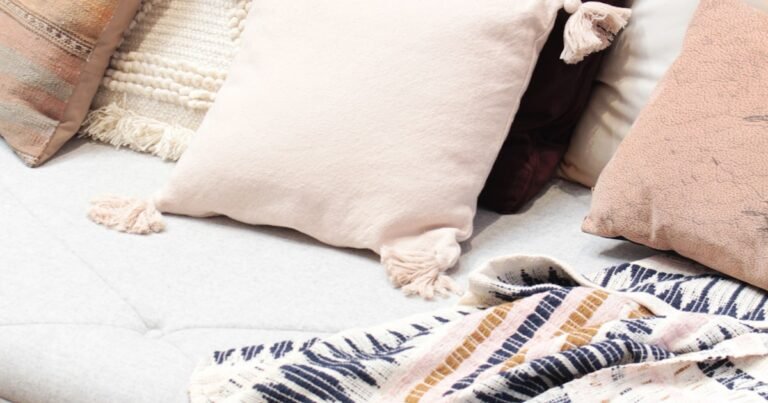
Layer textures, not just colors: a flat-weave jute rug, a chunky knit cushion, a smooth wood crate for books. That contrast is what makes a nook feel inviting instead of just beige.
Do Plants Really Help Students Focus?
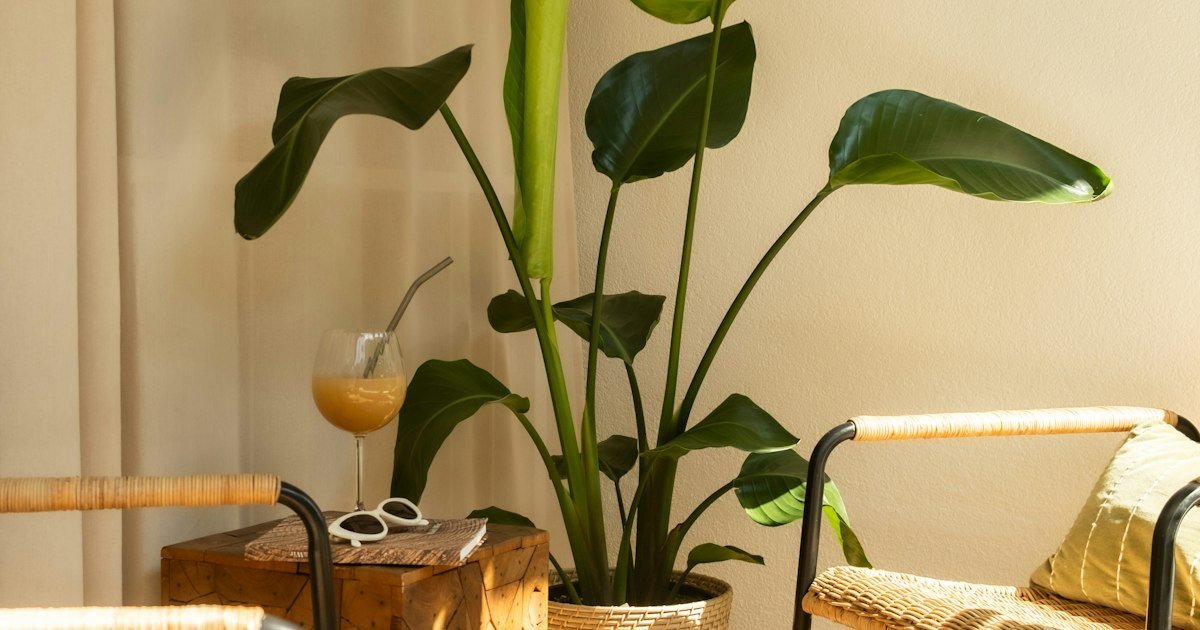
Yes — University of Exeter researchers found that enriching a sparse space with plants increased measured productivity by 15% in real-office field studies, and the same “lean vs. enriched” logic applies directly to a classroom. This is the one decor choice in this whole guide with an actual productivity number behind it, not just a style opinion.
Pothos and snake plants are the two to start with. Both survive a three-day weekend without water, tolerate low classroom light, and are non-toxic enough for most elementary settings. Skip anything that needs daily misting — you will forget by week three, and that’s fine, that’s just how the school year goes.
If real plants aren’t allowed in your building, or you’re near a heater vent that kills everything, mix in one or two realistic faux trailing plants on window ledges. At Home Decor Beauty, we still recommend at least one real plant somewhere in the room — the difference in how a space feels is noticeable, even at that scale.
Group plants in odd numbers — three on a windowsill reads as intentional, two reads as an afterthought. Vary the pot heights, too: a terracotta pot on a small stand, one at shelf level, one hanging.
What’s the One Wall Decor Mistake Boho Boards Never Mention?
Covering every inch of wall space is the mistake. University of Salford researchers who studied 153 classrooms and more than 3,700 pupils found that physical design factors — including how much wall space stays visually clear — meaningfully affect learning progress, and they specifically recommend keeping 20% to 50% of wall space open rather than fully covered.
Most boho classroom inspiration boards do the opposite. Macrame stacked on macrame, a plant shelf, a gallery wall, and a bulletin board all on one wall looks stunning in a photo and overstimulating in real life, five days a week, for a room full of kids who didn’t choose to be there.
Pick one feature wall for your boldest piece — usually the macrame or the plant shelf — and let the other three stay closer to bare. That’s a harder sell than “more is more,” but it’s the difference between a room that photographs well and one that actually helps kids concentrate.
Sound familiar? Most of us decorate a classroom the way we’d decorate a bedroom, then wonder why the room feels chaotic by October. Treat every added item as a trade against open wall space, not a free win.
Which Boho Classroom Ideas Fit Your Time and Budget?
Here’s a working list of boho classroom decor ideas with real 2026 price ranges, so you can plan before you shop instead of after.
| Decor Idea | Material | Cost Range (2026) | Difficulty | Best For |
|---|---|---|---|---|
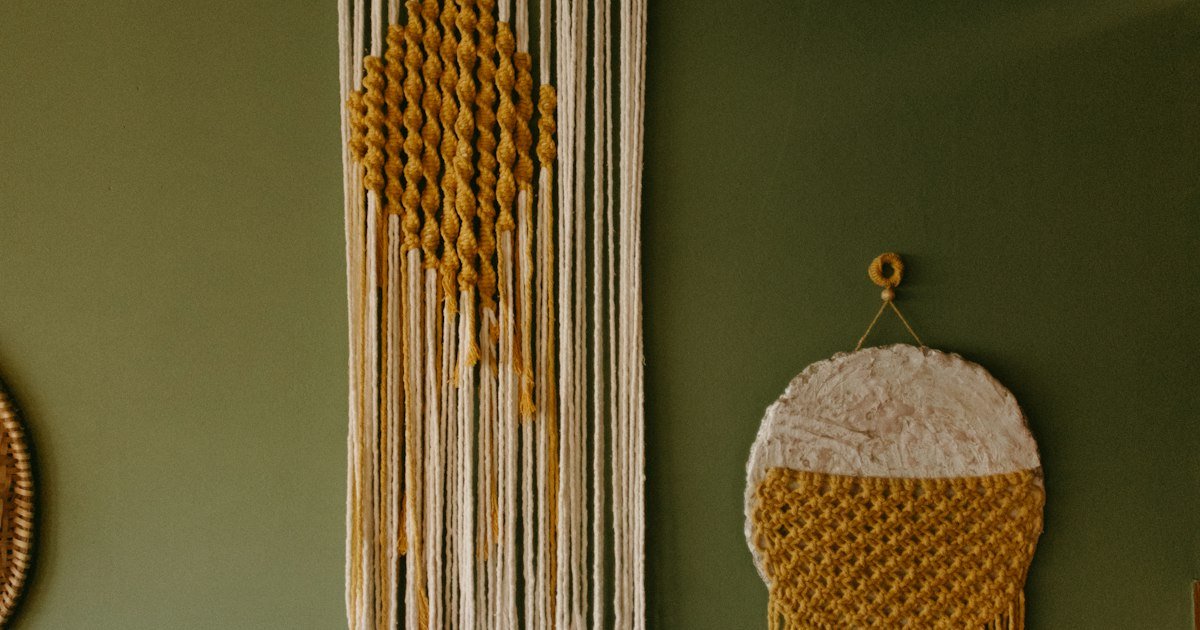
| Macrame wall hanging | Cotton cord | $20-$45 | Easy | Reading nook feature wall |
| Rattan storage baskets (set of 3) | Natural rattan | $18-$32 | Easy | Cubby and supply shelves |
| Jute area rug, 5×7 | Woven jute | $60-$120 | Easy | Circle-time floor |
| Faux trailing pothos | Silk or plastic | $12-$22 each | Easy | Window ledges, bookshelves |
| Woven floor cushions (2) | Cotton, kapok fill | $25-$60 total | Easy | Reading nook seating |
| Removable adhesive hooks (12-pack) | Plastic or foam | $8-$15 | Easy | Wall hangings, no drilling |
| Rattan pendant cord cover | Rattan, paper | $25-$45 | Medium | Reading corner ambiance |
| Wood-frame bulletin board | Pine, cork | $30-$55 | Medium | Class jobs, calendar |
| Canvas teepee reading tent | Cotton canvas, wood dowels | $70-$110 | Medium | Small reading nook, grades K-2 |
| DIY painted terracotta pots | Terracotta, craft paint | $2-$5 each | Easy (DIY) | Budget plant styling |
What Does Boho Classroom Decor Actually Cost?
In 2025, teachers spent an average of $895 out of pocket on classroom needs against a median school-provided budget of just $200, and 97% said that budget wasn’t enough to cover what their room actually needed (AdoptAClassroom.org, 2025 Teacher Spending Survey). Decor is one line item inside that gap — and it’s the easiest one to control.
Under $25: One faux plant, a set of removable hooks, and a secondhand basket from a thrift store. Skip retail entirely here — Dollar Tree and Facebook Marketplace cover this tier well.
$25-$100: A macrame wall hanging, two to three real plants, and a set of rattan storage baskets. This tier is where most boho classrooms actually land, and it’s achievable from a single paycheck.
$100+: Add the jute rug, a canvas reading tent, and a wood-frame bulletin board. This tier usually means saving across a few paychecks, applying for a DonorsChoose grant, or splitting costs with a grade-level team that shares supplies.
Here’s the thing: you don’t need the $100+ tier to get the look. The under-$100 combination — rug, plants, one macrame piece, baskets — covers the visual language people associate with boho classroom decor. Everything past that is refinement, not requirement.
Boho Classroom Setups for One Afternoon or a Whole Summer
Most teachers don’t own their classroom walls, so scale your boho classroom decor plan to how permanent you’re allowed to get, not how big your Pinterest board is.
Renter-safe ($50-$75, one afternoon): Layer a jute rug over existing flooring, add two to three faux plants to windowsills and shelves, and hang one macrame piece with removable adhesive hooks near the reading corner. Nothing here needs administrator sign-off.
Weekend project ($75-$200, one Saturday): Section off a reading nook with a sideways bookshelf, add floor cushions and a canvas tent, swap in two real low-light plants, and mount a wood-frame bulletin board using removable strips instead of screws.
Full makeover ($200-$400+, planned over a summer): Coordinate one approved accent wall treatment, replace mismatched bins with rattan storage sized to your shelving, build a dedicated plant shelf with five or six varieties, and add a rattan pendant cord cover over the reading corner lamp.
5 Boho Classroom Mistakes Teachers Make
These are the five boho classroom decor mistakes we see most often, along with a straightforward fix for each one.
1. Covering every inch of wall space. Fix: leave 20%-50% of wall space clear — classroom-design research ties over-decorated walls to lower focus (University of Salford).
2. Choosing plants that need daily care. Fix: stick to pothos, snake plants, or ZZ plants, which survive a three-day weekend without water, and add one or two faux plants near heaters or sinks where real ones struggle.
3. Nailing or screwing decor into shared walls. Fix: use removable adhesive hooks rated for at least 5 pounds, and test on a hidden spot before committing to the visible wall.
4. Buying a themed set before measuring the room. Fix: measure wall space and shelf depth first — a set that fits neatly in a box photo often overwhelms an actual 24-by-30-foot classroom.
5. Skipping washable materials near art and snack areas. Fix: choose cotton rugs and machine-washable cushion covers over wool or silk blends anywhere glue, paint, or juice boxes are within reach.
Questions Teachers Ask About Boho Classrooms
What colors are used in boho classroom decor?
Boho classroom decor uses earth tones — terracotta, sand, sage green, and warm cream — layered with one or two muted accents like dusty rose or ochre. These tones read as calm rather than stimulating, and they hold up better than bright primary colors under standard fluorescent lighting.
How do you create boho classroom decor on a budget?
Start with a jute or cotton rug, two to three faux plants, and one macrame wall hanging — roughly $50-$75 total. Add rattan storage baskets and a canvas reading tent once budget allows. Thrift stores and Dollar Tree cover baskets and frames for a fraction of retail price.
Is boho classroom decor good for young students?
Yes, with adjustments. Swap fragile ceramics and glass for wood, rattan, and washable fabric, and keep walls 20%-50% clear per classroom-design research. The soft, low-contrast palette suits early elementary rooms well, since it reduces visual overstimulation compared to bright themed sets.
How much do teachers typically spend on boho classroom decor?
Teachers spend an average of $895 out of pocket per year on classroom needs overall, against a median school-provided budget of just $200 (AdoptAClassroom.org, 2025). Decor is usually one line item within that; boho styling can stay under $100 by building in tiers instead of buying a themed set.
Can you do boho classroom decor without damaging the walls?
Yes. Removable adhesive hooks, command strips, and freestanding shelving handle almost every boho element — macrame, plant shelves, even lightweight bulletin boards. Save any paint or wallpaper decisions for rooms you’ll keep long-term, and always check with your building administrator first.
Boho classroom decor works because it’s flexible: earth tones and natural texture read as calm to a five-year-old and a fifteen-year-old alike, and none of it requires nailing anything into a wall you don’t own. Start small — a rug, a plant, one macrame piece — and build toward the full room over a semester, not a weekend.
Which tier are you starting from this year: renter-safe, weekend project, or full makeover? For more of the same palette at home, see our boho wall decor ideas.
Stretching a classroom budget? Our economy home decor ideas translate well to school.
Sources: AdoptAClassroom.org, 2025 Teacher Spending Survey, retrieved 2026-07-18. University of Salford, Clever Classrooms: Summary Report of the HEAD Project (Barrett et al., 2015), retrieved 2026-07-18. University of Exeter, Why Plants in the Office Make Us More Productive, retrieved 2026-07-18. Pinterest Predicts 2026, as reported by Apartment Therapy, retrieved 2026-07-18.