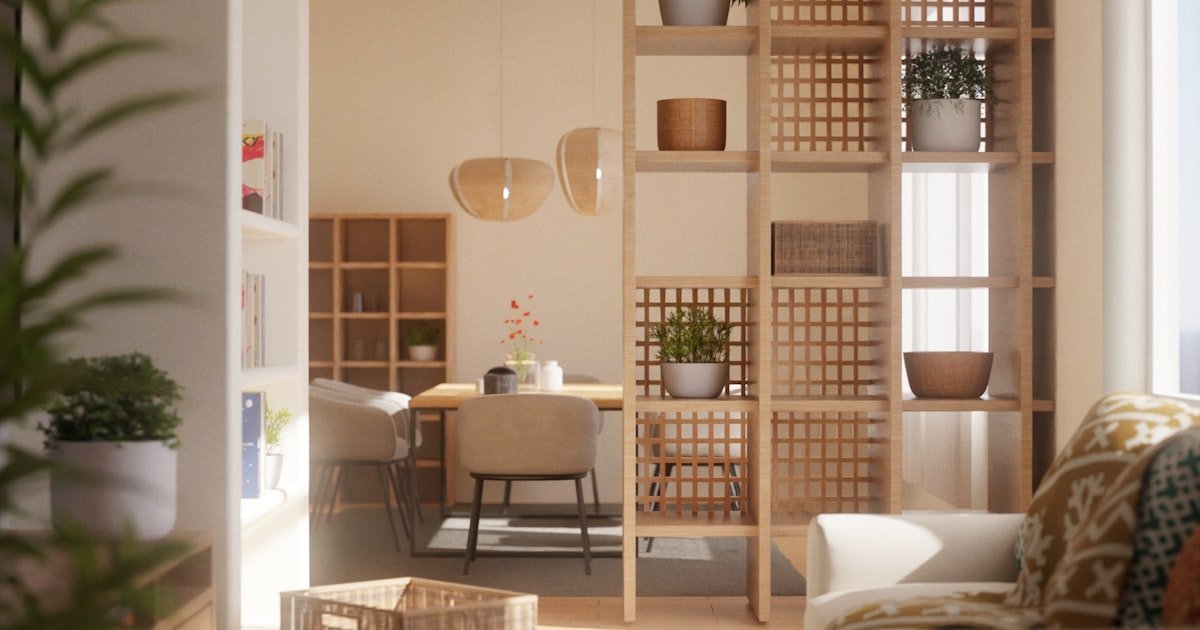
17 Stunning Japandi Furniture Ideas You’ll Love in 2026
The US furniture market is valued at $195.7 billion in 2025 and is projected to reach $256.9 billion by 2034, according to IMARC Group, and a growing share of that spending is chasing calm over clutter. Japandi furniture is the clearest expression of that shift: Japanese restraint meeting Scandinavian warmth, built to last rather than to trend.
The hard part isn’t finding japandi furniture, it’s avoiding a room that ends up cold and empty instead of calm and warm. This Home Decor Beauty guide covers 17 ideas, a materials-matching table, and the layering rules that keep minimalism from tipping into sterile. Fewer pieces, chosen well, is the entire method.
Key Takeaways
• Choose fewer, better pieces, this style rewards quality over quantity in every room.
• The US furniture market is projected to reach $256.9 billion by 2034 (IMARC Group, 2025).
• Our picks start at $40 and build to a full $1,200 living room refresh.
• The Home Decor Beauty rule: warm wood tone first, then layer texture, never pattern.
Table of Contents

What Makes Furniture Read as Japandi?
As of 2026, the global home decor market is valued at $960.14 billion and climbing toward $1,622.90 billion by 2030, according to Grand View Research (2024). Japandi furniture pulls its share of that growth from two ideas fused together: wabi-sabi, the Japanese appreciation for imperfection and natural aging, and hygge, the Scandinavian pursuit of everyday comfort.
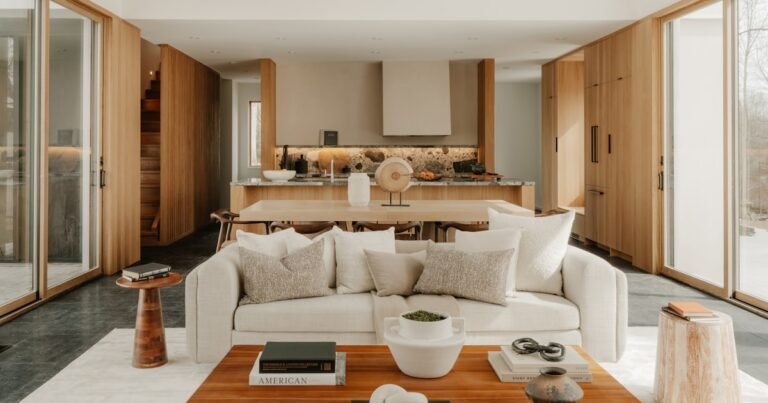
Low profile is the defining silhouette, these pieces sit closer to the floor than typical Western pieces, with legs that are visible rather than hidden behind skirting. Clean joinery matters too: visible screws or clunky hardware break the look instantly, while exposed wood joints read as intentional craft.
My first attempt at a japandi living room was three matching light-oak pieces and nothing else, it felt like a showroom, not a home. One slightly imperfect ceramic vase later, the room finally breathed. Perfection isn’t the goal here. Warmth is.
Choose calm. Not cold, and definitely not sterile, since sterile is the trap this whole style falls into most often.
Which Materials Work Best in Japandi Furniture?
In 2025, the global second-hand furniture market reached roughly $47.17 billion and is projected to hit $62.66 billion by 2031, reports Mordor Intelligence, a trend that fits japandi’s buy-once philosophy perfectly. Solid wood, natural fiber, and stoneware all age well, which is exactly why they anchor this style.
The table below matches ten materials to room use and cost, the practical detail most style roundups skip entirely.
| Material | Best Use | 2026 Cost | Difficulty | Durability |
|---|---|---|---|---|
| Light oak | Coffee tables, shelving | $120–$400 | Medium | High |
| Walnut | Statement furniture | $200–$700 | Medium | High |
| Rattan/wicker | Chairs, room dividers | $80–$250 | Easy | Medium |
| Bamboo | Stools, small tables | $40–$120 | Easy | Medium |
| Linen upholstery | Sofas, cushions | $100–$350 | Easy | Medium |
| Unglazed stoneware | Accent vessels | $25–$70 | Easy | High |
| Matte black metal | Legs, hardware | $20–$60 | Easy | High |
| Shoji-style paper panel | Room dividers | $90–$220 | Hard | Medium |
| Woven grass rug | Floor anchor | $60–$180 | Easy | Medium |
| Raw-edge live wood | Console, side tables | $150–$450 | Medium | High |
Living Room Japandi Furniture Ideas
The US furniture market’s growth outlook runs at a 3.07% CAGR through 2034, per IMARC Group, steady, not explosive, which mirrors japandi’s own buy-less-but-better philosophy. These seven pieces anchor most japandi living rooms from our decor styles collection.
1. Low-Profile Wood Coffee Table
A light oak coffee table ($120–$300) with visible tapered legs is the single most recognizable piece in this whole style. Choose a matte, unlacquered finish, high-gloss wood reads as traditional Western furniture, not japandi.
2. Linen-Upholstered Sofa
A low-back sofa in undyed or lightly dyed linen ($400–$900) sets the room’s neutral base. Skip patterned cushions entirely here, texture, not print, is how japandi adds visual interest to an otherwise quiet, neutral room.
3. Rattan Accent Chair
A single rattan or cane-backed chair ($150–$350) brings woven texture without competing with the wood tones already in the room. One chair, not a pair, asymmetry is part of the style’s relaxed feel.
4. Floating Wall Shelf
A single light-wood floating shelf ($40–$90), styled with two or three objects and plenty of empty space, does more for a japandi room than a full bookcase. Negative space on the shelf is as intentional as anything placed on it.
5. Woven Grass Area Rug
A natural jute or seagrass rug ($60–$180) grounds the seating area and adds texture underfoot without introducing color or pattern. It’s the floor-level equivalent of the linen sofa above, texture doing the visual work.
6. Paper or Linen Room Divider
A shoji-inspired folding screen ($90–$220) softens an open floor plan without a permanent wall. At Home Decor Beauty, we recommend this over a solid bookcase divider, diffused light through the panel keeps the room feeling open.
7. Matte Black Metal Console
A slim entry console with matte black metal legs and a wood top ($150–$300) is the cool-material counterpoint every warm-wood room needs. One black accent piece per room is usually enough, more starts to read as industrial instead of japandi.

Bedroom and Small-Space Japandi Furniture Ideas
North America holds a significant share of the global furniture market, and rapid urbanization worldwide keeps pushing demand toward multifunctional, space-saving pieces, exactly what this style is built around. These six ideas work in compact rooms and rentals alike.
8. Low Platform Bed
A wood platform bed frame ($300–$700) without a headboard reflects the same low, grounded silhouette as the living room coffee table. It also visually enlarges a small bedroom by keeping sightlines low and open.
9. Bamboo Step Stool as Side Table
A simple bamboo step stool ($40–$70) doubles as a nightstand or plant stand, a genuinely multifunctional piece rather than decor pretending to be useful. It’s the cheapest true piece of this style in the entire guide.
10. Woven Storage Baskets
Seagrass or rattan baskets ($25–$50 each) replace plastic bins for closet or under-bed storage, keeping even hidden storage on-palette. Line them if you’re storing anything that could snag on the weave.
11. Floor Cushion Seating
Linen floor cushions ($30–$60 each) add flexible seating in a small living room without the bulk of a second sofa. Store them stacked in a basket when not in use, they disappear from the room in seconds.
12. Slim Wood Bookshelf
A narrow, open-back wood shelving unit ($150–$350) stores books without blocking light the way a solid-back bookcase does. Keep it two-thirds full at most, a packed shelf undoes the negative space the rest of the room works to create.
13. Foldable Wood Dining Table
A drop-leaf or folding wood table ($120–$280) handles daily meals and folds flat for a studio or small apartment. This is the space-saving design category driving so much of the broader furniture market’s current growth.
How Do You Furnish a Japandi Room on a Budget?
In 2025, 28% of Americans trimmed decorating budgets and 37% kept total seasonal spending under $100, per a Rocket Mortgage survey, and japandi’s fewer-pieces philosophy actually makes budget furnishing easier than most styles. Our budget decor section runs on the same restraint.
Under $150 (Ideas 14–15)
Idea 14 is a bamboo step stool paired with two woven baskets, around $90–$120 total. Idea 15 is a single floating shelf styled sparsely, roughly $60. Most japandi pieces under $150 lean on bamboo and rattan rather than solid hardwood, which keeps cost low without losing the natural-material look.
$150 to $500 (Ideas 16)
Idea 16 combines a rattan accent chair with a woven grass rug, roughly $210–$530 together depending on rug size, enough to anchor an entire seating corner without a single large furniture purchase.
$500 and Up (Idea 17)
Idea 17 is the full living room set: low coffee table, linen sofa, and a light oak console, $900–$1,200 assembled in 2026. Buy the sofa first and build outward; it’s the piece hardest to swap later if the style doesn’t feel right.
How Do You Layer Japandi Furniture Like a Pro?
With the global home decor market climbing toward $1,622.90 billion by 2030 (Grand View Research, 2024), more of that spending favors fewer, better-made pieces over disposable furniture. Here’s the progression that gets there without wasting a purchase.
Beginner: One Afternoon, Under $150, Renter-Safe
Swap in a bamboo stool, add woven baskets for storage, and clear a shelf down to two or three objects. No furniture purchase larger than a stool required.
Intermediate: One Weekend, $300 to $700
Add the coffee table, rug, and accent chair. Layer materials in threes, wood, woven fiber, natural textile, before adding a fourth material or any pattern.
Professional: $700 and Up
Bring in the linen sofa and console, then edit, remove the two weakest pieces in the room. That said, plenty of $300 corners outshine $1,500 ones; the editing matters more than the budget.

How Is Japandi Furniture Different from Scandinavian or Minimalist Furniture?
These three styles overlap so much that furniture shoppers often mix them up, and the differences matter more once you’re actually choosing pieces. Scandinavian furniture leans lighter and brighter, pale birch, white paint, and pastel accents dominate over the deeper, earthier tones japandi favors.
Pure minimalist furniture strips away warmth almost entirely in pursuit of clean geometry, think glass, chrome, and stark white boxes. Japandi keeps the reduced silhouette but insists on warmth: wood grain, linen texture, and a slightly imperfect handmade quality that minimalism generally avoids.
The easiest test: if a piece would look at home in a bright Copenhagen apartment, it’s Scandinavian. If it belongs in an art gallery, it’s minimalist. If it feels like a quiet ryokan crossed with a Nordic cabin, that’s the exact target this whole guide is built around.
This also explains why the style tends to age so well in a home. A pure minimalist room can start to feel dated the moment a trend shifts, since it relies so heavily on being of-the-moment. Japandi’s grounding in natural materials and craft-focused joinery means a well-chosen piece still looks intentional five or ten years later, long after a trendier purchase would need replacing.
What Mistakes Ruin Japandi Furniture?
Even good ideas fail on execution. The five mistakes we see most, each with a one-sentence fix:
- Too cold, not enough texture. Fix: add linen, wool, or rattan somewhere in every room, hard surfaces alone read sterile, not calm.
- Mixing too many wood tones. Fix: pick one dominant wood tone per room and let metal or textile provide contrast instead.
- Adding pattern instead of texture. Fix: swap printed fabric for woven or textured neutral fabric, pattern breaks the calm this style depends on.
- Overfilling every surface. Fix: remove two-thirds of what’s on any shelf or table, negative space is not optional here.
- Buying trend pieces instead of quality basics. Fix: spend the most on the piece you’ll keep longest, usually the sofa or bed frame.
Japandi Furniture FAQ
The questions readers ask us most, answered with data where we have it.
What is japandi furniture exactly?
Japandi furniture blends Japanese wabi-sabi, an appreciation for natural imperfection, with Scandinavian hygge, the pursuit of everyday comfort. In practice, that means low-profile wood pieces, natural fiber textiles, and a neutral palette with visible joinery instead of hidden hardware.
How much does it cost to furnish a room in japandi style?
A full living room refresh runs $900 to $1,200 in 2026, though individual pieces like a bamboo stool or floating shelf start under $50. With 37% of Americans keeping seasonal decor spending under $100 (Rocket Mortgage, 2025), building the look gradually is the norm, not the exception.
Is japandi furniture good for small spaces?
Yes, low-profile silhouettes, multifunctional pieces like bamboo stools, and light wood tones all make rooms feel larger. The style overlaps heavily with space-saving furniture trends driven by urbanization, which is part of why it works so well in apartments.
What wood tone is best for japandi furniture?
Light oak and natural bamboo are the most common, though walnut works as a single darker accent piece. Pick one dominant tone per room, mixing more than two wood tones is the fastest way to break the style’s deliberate calm.
Can you mix japandi furniture with other styles?
Yes, cautiously, japandi pairs naturally with boho’s woven textures and minimalist Scandinavian pieces, since all three share a natural-material base. Avoid pairing it with heavily patterned or glossy traditional furniture, which fights the low-key, matte finish japandi depends on.
A Room That Breathes
Warm wood, natural texture, generous negative space. That’s the whole method:
- One wood tone: pick it and let everything else support it.
- Texture over pattern: linen, rattan, and stoneware do the visual work.
- Fewer, better pieces: edit before you buy, and edit again after.
So which piece starts your room, the coffee table everyone notices, or the rattan chair that ties it all together? Once the furniture is chosen, layer in the finishing touches with our rustic wall decor ideas for a warmer accent wall. At Home Decor Beauty, we cover everything you need to know about decor styles, from a $40 stool to a full living room refresh.
Home Decor Beauty covers everything you need to know about decor styles, room ideas, budget finds, seasonal decorating, DIY projects, and party decor. Explore our full library at homedecorbeauty.com.
Sources: IMARC Group, “United States Furniture Market Statistics,” 2025, retrieved 2026-07-18, https://www.imarcgroup.com/united-states-furniture-market-statistics; Grand View Research, “Home Decor Market Size and Share Report,” 2024, retrieved 2026-07-18, https://www.grandviewresearch.com/industry-analysis/home-decor-market; Mordor Intelligence, “Second Hand Furniture Market Size, Growth and Share,” 2025, retrieved 2026-07-18, https://www.mordorintelligence.com/industry-reports/second-hand-furniture-market; Rocket Mortgage, “Americans Are Spending Less on Holiday Decor and Gifts,” 2025, retrieved 2026-07-18, https://www.rocketmortgage.com/learn/americans-are-spending-less-on-holiday-decor-gifts.