25 Stunning Economy Home Decor Ideas You’ll Love in 2026
Furniture spending fell across every income bracket in late 2025, even among households earning over $150,000, while decor and kitchen categories held steady, according to Consumer Edge’s home and garden report. Translation: the smart money already moved to economy home decor, and it isn’t because anyone had to settle.
Most “budget” guides just mean cheaper versions of the same purchases. This Home Decor Beauty guide is different: 25 economy home decor ideas organized by what actually changes a room, a cost-and-impact table that ranks paint above furniture, and a plan for turning $0 into a genuinely refreshed space. Nothing here requires waiting for a raise.
Key Takeaways
• Lighting and paint change a room more than any single piece of furniture, and cost less.
• 28% of Americans are trimming decorating budgets in 2025 (Rocket Mortgage, 2025).
• Our economy home decor ideas run from $0 rearranging to a $600 full-room refresh.
• The Home Decor Beauty rule: fix light and color before you buy a single new object.
Table of Contents

What Actually Changes a Room for the Least Money?
As of 2026, the US home decor market is valued at $145.52 billion and is projected to reach $212.93 billion by 2034, a 4.32% annual climb, according to Renub Research (2025). Almost none of that growth requires a full furniture replacement, color temperature and negative space move the needle first.
Color temperature is measured in kelvins: 2700K reads warm and flattering, 4000K reads clinical. Swapping bulbs is the single cheapest fix in this approach, and it changes how every other object in the room photographs. Negative space, the empty area around objects, comes free. Removing three items usually helps more than adding one.
My own first apartment had zero budget and one white wall. A gallon of greige paint and warm bulbs did more for that room than anything I bought in the two years after. Spend on light and color first. Furniture is optional.
Cheap doesn’t mean it has to look cheap.
What Should You Spend On First?
In 2025, 28% of Americans said they’re trimming decorating budgets and 57% noticed decoration prices climbing, reports a Rocket Mortgage survey. Spend in order of visible impact: lighting and paint first, textiles and rugs second, furniture last, and only if it’s genuinely worn out.
Notice what’s free below: rearranging and decluttering. Notice what’s most expensive per room: full furniture replacement, which this guide treats as a last resort, not a starting point. For deeper per-room plans beyond this list, our room ideas section goes further.
Prices are approximate for 2026. Every category below expands into specific ideas that follow.
| Move | What It Fixes | 2026 Cost | Time | Room Impact |
|---|---|---|---|---|
| Rearrange furniture | Flow, focal point | $0 | 1 hour | Very high |
| Declutter surfaces | Visual clutter | $0 | 30 min | Very high |
| Warm-white bulbs | Mood, ambiance | $10–$25 | 15 min | Very high |
| Accent wall paint | Color, personality | $40–$90 | 1 weekend | High |
| Thrifted mirror | Light, scale | $15–$50 | 30 min | High |
| Pillow covers + throw | Texture, color | $25–$50 | 10 min | Medium |
| Area rug | Warmth, grounding | $40–$120 | 15 min | Medium |
| One statement piece | Focal anchor | $80–$250 | 1 hour | High |
Free and Nearly-Free Economy Home Decor Ideas
Consumer Edge’s 2025 home and garden report found furniture and mattress purchases stalling across every income bracket while decor spending held steadier, evidence that shoppers are choosing smaller, smarter moves over big-ticket buys. These seven ideas cost nothing but time.
1. The Furniture Reset
Pull every piece of furniture at least six inches from the wall and reangle the seating toward a real focal point, a window, a fireplace, art. Floating furniture reads more intentional than furniture pushed flush to the walls, and it costs exactly nothing.
2. The One-In-One-Out Declutter
Remove three decorative objects from every surface in the room. Don’t replace them yet, live with the empty space for a week first. Most rooms don’t need more decor. They need less of what’s already there.
3. Swap What You Already Own Between Rooms
A lamp from the bedroom, a vase from the hallway, a throw from the guest room, shuffled into the living room, they read as new. This is the fastest refresh in the whole list because nothing has to be bought, found, or waited on.
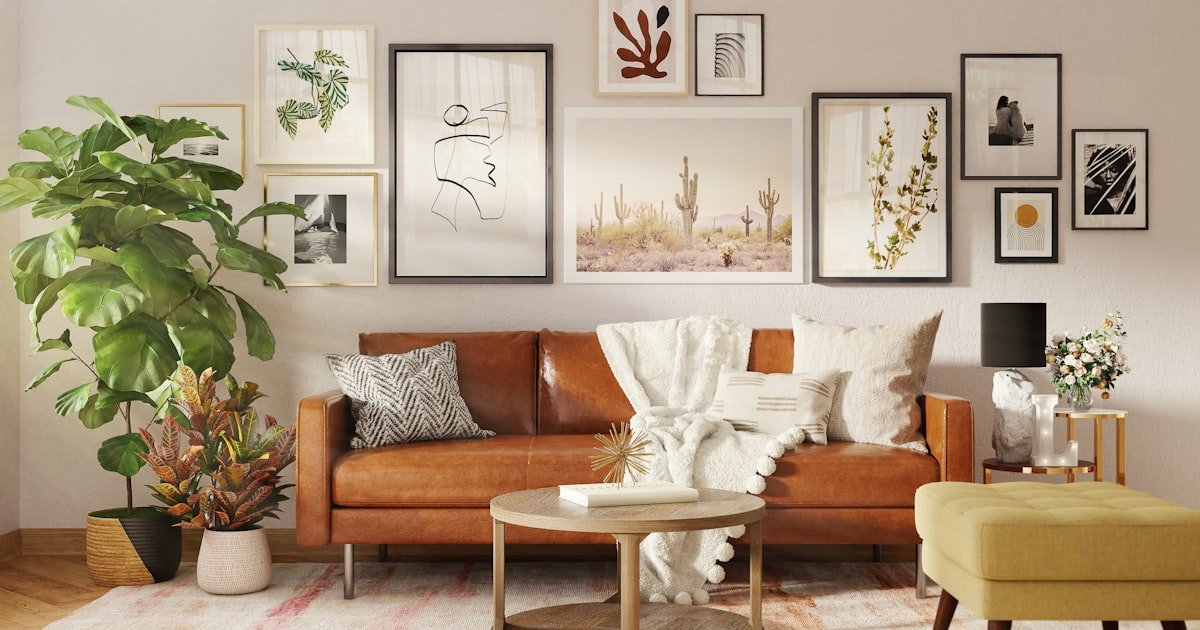
4. The Gallery Wall from Frames You Own
Gather every frame in the house, empty or not, and group them on one wall with 2–3 inches between each, closer reads as clutter, wider reads as disconnected. Print free art or family photos to fill them. My first gallery wall was a disaster; the fix was simply more consistent spacing, not more frames.
5. Foraged Greenery
A branch, a few sturdy leaves, or a clipping from a friend’s plant in a jar you already own. Real greenery does what artificial can’t: it changes slightly week to week, which is part of what makes a room feel lived-in rather than staged.
6. The Windowsill Edit
Clear every windowsill completely, then add back only one object per sill. Sightline is the term for what’s visible from the doorway, a cleared window is often the single biggest sightline improvement in a rental.
7. Fold, Don’t Fill
A blanket folded in thirds over the back of a chair reads as styled. The same blanket bunched reads as clutter. It’s a thirty-second fix that costs nothing and gets redone every time you actually use the blanket.

Where Do You Buy Economy Home Decor?
In 2025, the global second-hand furniture market reached roughly $47.17 billion and is projected to hit $62.66 billion by 2031, a 4.85% annual climb, reports Mordor Intelligence (2025). Thrift stores, estate sales, and resale apps aren’t a compromise anymore, they’re where a meaningful share of home decor spending is actually going.
8. Thrift Store Frames and Mirrors
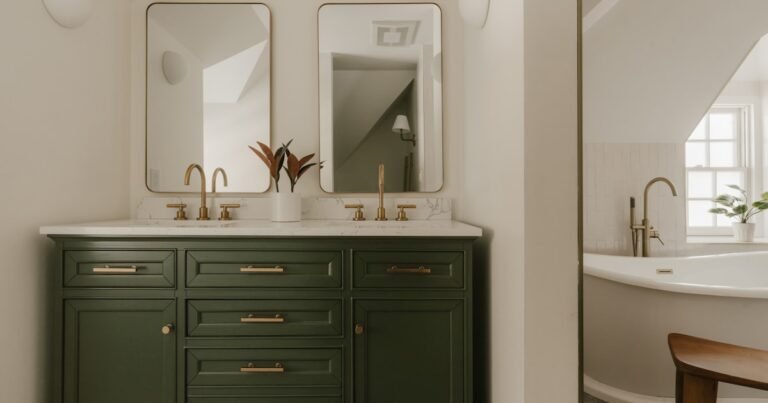
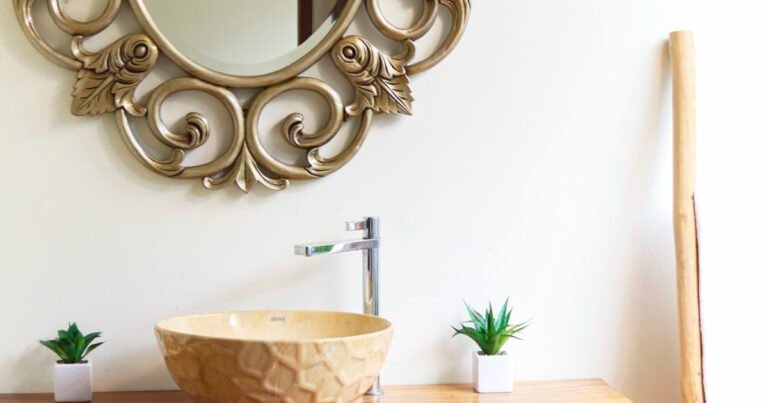
Ornate frames and mirrors are the best thrift-store category, period, the finish alone would cost more new than the whole piece secondhand. Spray paint any dated gold to brushed brass for under $10 if the color doesn’t match your palette.
9. Estate Sale Lamps
Lamp bases from estate sales are almost always solid wood or real ceramic, materials that cost three times as much new. Rewire concerns are rare; most just need a $6 shade to look current again.
10. Facebook Marketplace Furniture, Filtered by “Free”
Free-section furniture is usually structurally sound and just cosmetically dated, people rarely give away broken things. A $15 can of chalk paint turns a free dresser into the room’s best piece. Up to 34% of Americans already shop resale platforms for exactly this reason.
11. Dollar Store Vases and Trays
Glass vases and wooden trays at dollar stores are nearly indistinguishable from $20 versions once styled with real greenery or a candle. This is where budget and expensive decor genuinely converge, nobody can tell the vase cost a dollar once it’s holding something you love.
12. Fabric Remnants for No-Sew Pillow Covers
Fabric stores sell remnants for a fraction of full yardage. A no-sew envelope cover, fold, tuck, done, takes fifteen minutes and roughly $8 in fabric per pillow. Skip the sewing machine entirely.
13. Library and Book Sales for Color-Coded Shelving
Library book sales sell hardbacks for a dollar or less. Group them by spine color on a shelf and they double as both decor and something to actually read, a two-dollar shelf styling trick most people pay a stylist for.
DIY and Upcycling Ideas for Every Skill Level
North America drives a large share of the second-hand furniture market’s growth, and online resale platforms already account for 40.92% of that category, per Mordor Intelligence (2025). At Home Decor Beauty, we recommend starting DIY with hardware, not paint, it’s the fastest, least reversible-feeling change.
14. New Hardware on Old Furniture
Swapping dated brass knobs for matte black or brushed gold pulls ($1–$4 each) changes a dresser’s whole era in under an hour. It’s the single highest-return DIY move on this list, no sanding, no painting, no drying time.
15. Chalk-Paint Furniture Refresh
Chalk paint needs no sanding or primer, clean the piece, paint two coats, seal with wax. A quart covers a dresser and two side tables for around $25, and it dries to a matte finish that hides old scratches instead of highlighting them.
16. Peel-and-Stick Backsplash or Wallpaper
Renter-safe and removable, a peel-and-stick accent runs $20–$45 per roll and covers a small accent wall or backsplash in an afternoon. Test a corner first, humidity affects adhesive differently by climate, and that’s the one step people skip.
17. DIY Floating Shelves from Reclaimed Wood
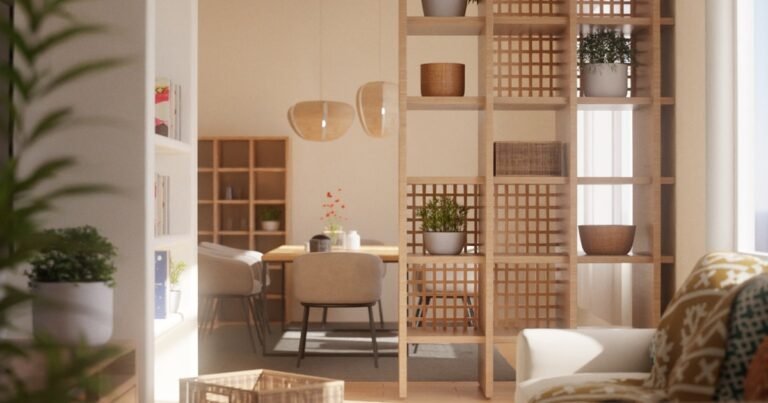
Reclaimed boards from a hardware store scrap bin, sanded and finished with $8 oil, make shelves that cost a fraction of retail floating shelves and look more expensive for the imperfection. Measure twice. Seriously, a crooked shelf undoes every dollar you saved.
18. Reupholster One Chair Seat
A single dining chair seat takes one yard of fabric ($10–$20), a staple gun, and twenty minutes. It’s the lowest-risk entry point into reupholstery, mess it up and you’ve lost one yard of fabric, not a whole sofa.

How Do You Plan a Full Room Refresh on a Budget?
Most homeowners can refresh a full room for $200 to $600 using economy home decor principles, and 37% of Americans already keep total seasonal decor spending under $100 (Rocket Mortgage, 2025), proof the lower end of that range is well within normal. Here’s how to allocate it by skill level.
Beginner: One Afternoon, Under $50
Rearrange the furniture, declutter three surfaces, swap the bulbs. Zero purchases required beyond bulbs. This tier alone changes how a room photographs, and it’s where every budget plan should actually start.
Intermediate: One Weekend, $100 to $300
Add the accent wall, a thrifted mirror, new pillow covers, and one rug. Paint first, then style around the dried paint, doing it in the other order means restyling twice. This is the tier where guests start asking if you hired someone.
Professional: $300 to $600
Add one statement piece, a chair, a large mirror, an art print, sourced secondhand where possible, then reupholster or hardware-swap two existing furniture pieces. That said, plenty of $150 rooms outshine $600 ones; the ceiling here is optional, not a goal.

What Mistakes Make Economy Home Decor Look Cheap?
Even good budget ideas backfire on execution. The five mistakes we see most, each with a one-sentence fix:
- Buying without measuring first. Fix: measure the space and the doorway path before any furniture purchase, secondhand or new.
- Chasing trends over timeless basics. Fix: spend the bulk of the budget on neutral pieces and let cheap, swappable accents carry the trend.
- Mixing too many finishes at once. Fix: pick one dominant metal (brass or black) and one wood tone per room, then stop.
- Skipping the return policy on secondhand buys. Fix: check for structural damage and pest signs in person, most resale platforms offer no returns.
- Buying everything at once. Fix: layer purchases over 4–6 weeks so the room can tell you what it’s still missing.
Economy Home Decor FAQ
The questions readers ask us most, answered with data where we have it.
What is economy home decor?
Economy home decor is styling a home affordably through free changes, thrifted finds, and DIY upcycling rather than buying new furniture at full price. It centers on lighting, paint, and rearranging first, since those changes cost the least and affect a room the most.
How much does it cost to decorate a room on a budget?
A full room refresh runs $200 to $600 in 2026 depending on scope, and many changes, rearranging, decluttering, bulb swaps, cost nothing at all. With 28% of Americans trimming decorating budgets in 2025 (Rocket Mortgage), a lower-tier refresh is increasingly the norm, not the exception.
Is secondhand furniture actually cheaper than new?
Usually, and often better made. The global second-hand furniture market is projected to reach $62.66 billion by 2031 (Mordor Intelligence, 2025), driven partly by materials, solid wood and real ceramic, that cost far more new than comparable secondhand pieces.
What is the single best economy home decor upgrade?
Warm-white (2700K) light bulbs, hands down. They cost $10 to $25 for a full room, take fifteen minutes to install, and change how every other object in the space looks after dark, more impact per dollar than any single decor purchase.
How do you make a room look expensive without spending much?
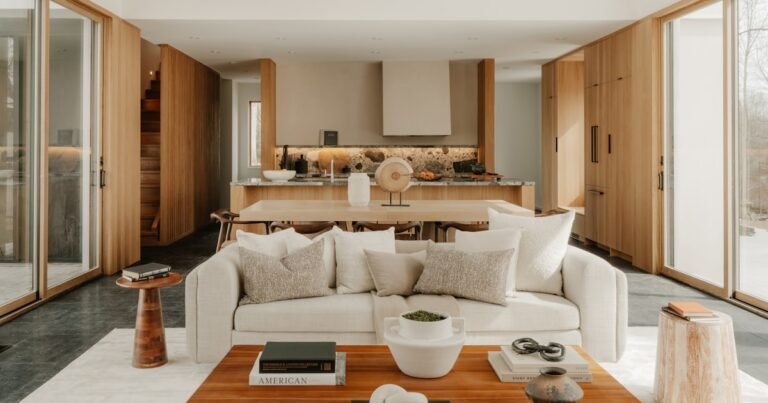
Limit finishes to one metal and one wood tone, add one statement piece, and clear at least three items off every surface. At Home Decor Beauty, we test this against a simple filter: negative space plus one focal point beats a room full of small, cheap objects every time.
A Room That Doesn’t Look Like Its Price Tag
Light and color first, furniture last. That’s the whole method:
- Free moves first: rearrange, declutter, swap between rooms.
- Thrift the expensive-to-fake stuff: mirrors, frames, solid wood.
- One statement piece: beats ten small purchases every time.
So which of these 25 economy home decor ideas costs you nothing to try tonight? Start there, then build outward with our budget decor library. At Home Decor Beauty, we cover everything you need to know about affordable styling, from a free furniture reset to a $600 room refresh.
Home Decor Beauty covers everything you need to know about decor styles, room ideas, budget finds, seasonal decorating, DIY projects, and party decor. Explore our full library at homedecorbeauty.com.
Sources: Renub Research, “United States Home Decor Market Growth Forecast Report 2025-2033,” retrieved 2026-07-17, https://www.renub.com/united-states-home-decor-market-p.php; Rocket Mortgage, “Americans Are Spending Less on Holiday Decor and Gifts,” 2025, retrieved 2026-07-17, https://www.rocketmortgage.com/learn/americans-are-spending-less-on-holiday-decor-gifts; Mordor Intelligence, “Second Hand Furniture Market Size, Growth and Share,” 2025, retrieved 2026-07-17, https://www.mordorintelligence.com/industry-reports/second-hand-furniture-market; PR Newswire, “Consumer Edge Reports Big-Ticket Home Purchases Stalled in 2025,” retrieved 2026-07-17, https://www.prnewswire.com/news-releases/consumer-edge-reports-big-ticket-home-purchases-stalled-in-2025-as-consumers-shift-spending-toward-repairs-upkeep-and-smaller-ticket-decor-and-kitchen-products-302689823.html.