Bubble Wrap Home Decor: How to Make Beautiful Art Cheaply
Bubble wrap was never meant to protect anything. In 1957, engineers Alfred Fielding and Marc Chavannes were trying to invent a three-dimensional plastic wallpaper, according to the history of bubble wrap. The wallpaper flopped and the packaging took over the world. So bubble wrap home decor is really the material going back to its first job.
Most tutorials online treat it as a toddler’s painting tool. This Home Decor Beauty guide doesn’t. You’ll get seven projects that look right on a grown-up shelf or wall, with 2026 costs, dry times, bubble-size advice and the heat limits almost nobody mentions. Got a delivery box in the hallway? You already own the main supply.
Key Takeaways
• Bubble wrap started as a failed 1957 wallpaper idea, which is why wall and texture projects suit it so well.
• The bubble wrap packaging market reached $3.33 billion in 2025 (Precedence Research, 2026), so free sheets keep arriving in delivery boxes.
• Bubble size sets the pattern: 3/16-inch reads as fine dots, 1/2-inch as bold circles.
• Home Decor Beauty’s one hard rule for bubble wrap home decor: no flames, no heat guns, no hot bulbs.
• Six of the seven projects below cost under $30 in supplies.
Table of Contents
What Is Bubble Wrap Home Decor, and Why Does It Look Current in 2026?
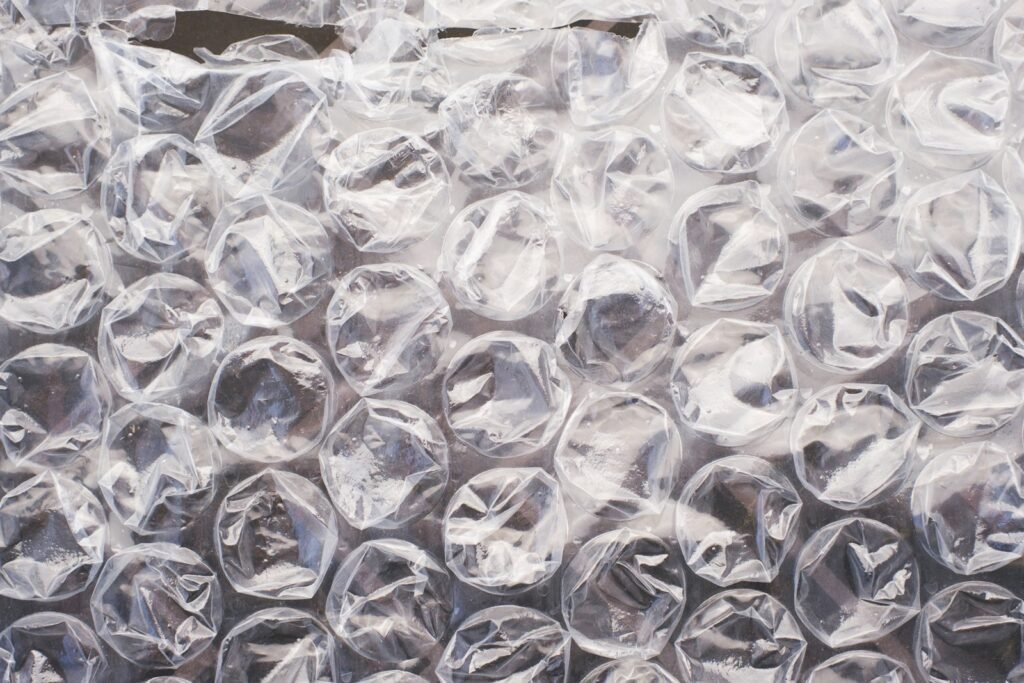
Bubble wrap home decor is any finished piece that uses bubble wrap as a stamp, a texture mold or a light filter. It isn’t bare plastic on display. In 2026, the look lines up with Pinterest Predicts, which reported searches for “jelly candy aesthetic” up 100% and “circus interior” up 130% heading into the year.
That’s the tactile, rounded, slightly playful mood a bubble print gives off. Here’s the thing, though: the trend is about the shape, not the plastic. Round repeating dots read as modern on a white wall and retro on a mustard one. The same sheet can go either way, and paint color decides which.
There are three ways to use the material. As a stamp, it prints dots onto paper, canvas or fabric. As a mold, it presses a honeycomb texture into wet joint compound. As a filter, it softens light on a window without blocking it. Every project in this guide uses one of those three.
According to Precedence Research (2026), the bubble wrap packaging market was worth $3.33 billion in 2025 and should reach $4.59 billion by 2035. Coherent Market Insights puts e-commerce at 44.8% of that demand. In plain terms, the supply keeps landing on your doorstep for free. At Home Decor Beauty, we’d rather see some of it framed than trashed.
Which Bubble Size Gives Which Pattern?
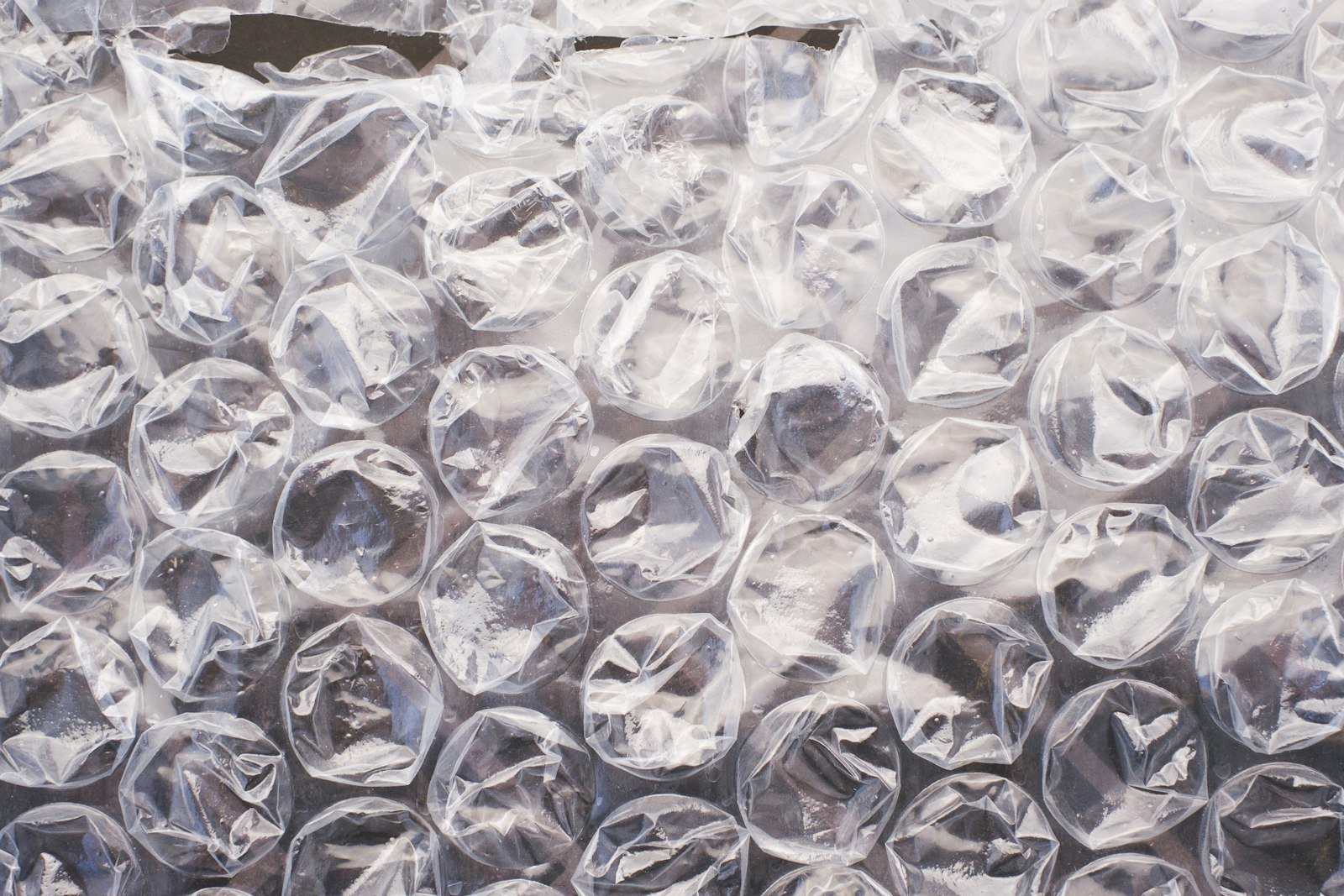
As of 2026, most rolls sold in the US come in three bubble sizes: small (3/16 inch), medium (5/16 inch) and large (1/2 inch). The size decides everything about the print. For bubble wrap home decor, small bubbles give a fine, fabric-like dot. Large ones give bold circles you can read from across the room.
- 3/16-inch (small): fine texture for pillow covers, gift wrap and frames under 11×14 inches. From a few feet away it reads almost like woven linen.
- 5/16-inch (medium): the all-rounder. It suits vases, planters and mid-size canvases.
- 1/2-inch (large): the statement dot. Use it on 16×20 canvases and up, or on a window where you want a strong, soft blur.
Is the wrap in your delivery box a mix of sizes? That’s fine. Cut a 4-inch test square from each and stamp it on scrap paper before you commit. It takes two minutes and saves a canvas.
The supply list is short. Acrylic craft paint in 2-ounce bottles runs about $1 to $2 each. A 2-pack of 16×20 stretched canvases costs roughly $12 to $20. A new roll of large-bubble wrap is $12 to $25 if you don’t have scraps. Add painter’s tape, a foam brush and a small foam roller ($3 to $6). All prices are approximate for 2026.
Bubble Wrap Home Decor: 7 Projects for Walls, Shelves and Windows
In 2026, the pages ranking for bubble wrap crafts are mostly kids’ art activities or lists of packing hacks. The seven projects below are built for a living room instead. Each one lists cost, time and where it looks best, ordered from easiest to most involved. New to this? Start with number one. It’s easier than it looks, I promise.
1. A two-tone printed canvas pair
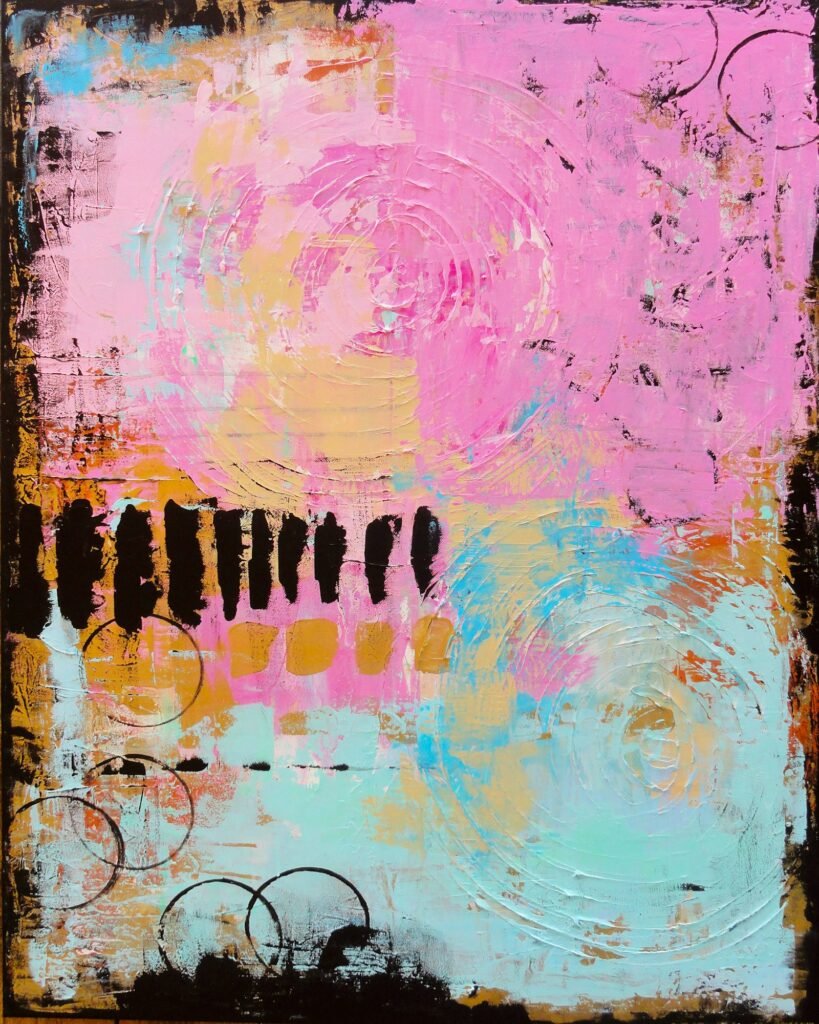
This is the classic bubble print, made for adults. Tape a sheet of large-bubble wrap to the table, bubbles up. Roll a thin coat of acrylic over the bubble tops only. Lay the canvas face down, press with flat palms, then lift straight up. Print one color per press and let each layer dry about 20 minutes before the next.
The trick is restraint. Two colors pulled from the room, such as terracotta over sand or navy over cream, look designed. Five colors look like a school project. Hang the pair side by side with 2 to 3 inches between frames. Budget: $15 to $30.
2. A bubble-texture vase from a thrifted bottle
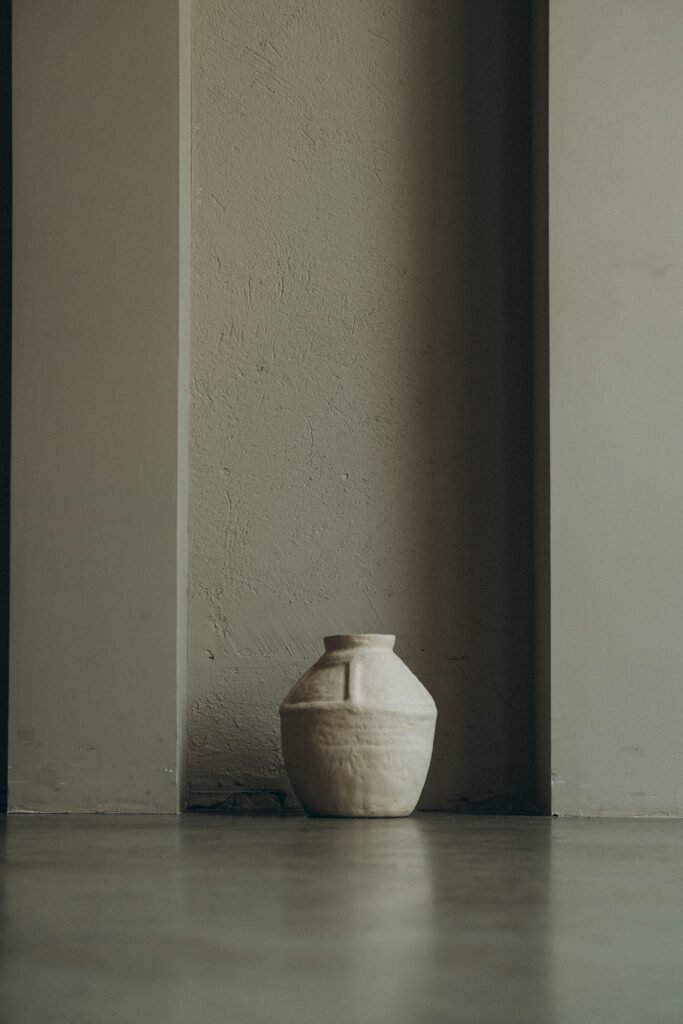
Coat a glass bottle or jar ($1 to $5 at a thrift store) in a thick layer of pre-mixed all-purpose joint compound. A small tub costs about $8 to $15. While it’s wet, press a strip of medium-bubble wrap into the surface and peel it away. What’s left is a raised honeycomb that looks surprisingly close to hand-thrown ceramic.
Joint compound is slow. Let it dry overnight at the very least, and longer for thick coats or humid rooms. Sand the sharp peaks lightly, paint it with matte acrylic, then seal it with a clear matte spray ($8 to $12). It isn’t waterproof, so fresh flowers go in a glass liner inside. Dried stems and pampas can sit in it directly.
Joint compound or plaster of Paris? Plaster sets within minutes, so you get one quick shot at the texture. Joint compound gives you time to press, lift and try again. For a first vase, joint compound wins.
3. A frosted window privacy panel
This is the most renter-friendly bubble wrap home decor on the list. Cut the wrap to the size of the glass, mist the window with plain water, and press the bubble side onto the wet pane. It holds without tape and peels off clean. You keep the daylight and lose the neighbor’s view, for close to nothing.
It’s utility first, so keep it to a bathroom, a front-door sidelight or a basement window. Large bubbles give the softest blur. Small bubbles look closer to reeded glass.
4. A bubble-print pillow cover
Swap acrylic for fabric paint, or acrylic mixed with textile medium, and the same stamp works on a plain cotton or linen cover ($8 to $15). Slide cardboard inside the cover so paint doesn’t bleed through. Once the print is dry, heat-set it with an iron through a pressing cloth, following the paint label. The wrap itself stays far from the iron.
One color on natural linen looks the most expensive. Pair it with a solid pillow in the same shade so the pattern has somewhere to rest. Our guide to mixing boho decorative pillows covers pattern scale and fabric pairing in more detail.
5. A textured planter upcycle
A clean tin can or a plastic nursery pot gets the same joint compound treatment as the vase. Use small bubbles here, since a tight curve distorts large ones. Keep the plant in its own plastic pot and drop it inside, so water never touches the compound. Cost: under $10 if the tub from project two is still half full.
6. A framed bubble-print paper set
Print on 9×12 watercolor paper instead of canvas, using three shades of one color. Put the sheets in matching thin black or oak frames ($8 to $15 each) and hang them in a straight row. Repetition makes inexpensive paper look like a gallery set. It’s one of the fastest ways to fill a blank hallway wall, and our breakdown of layered boho wall decor shows how to space a row like this.
7. An LED bubble-glow jar
Wrap a glass jar in small-bubble wrap, tie it with twine, and set a battery LED tealight inside ($8 to $15 for a 12-pack). The bubbles scatter the light into soft dots across a console or mantel. LED only. Low-density polyethylene handles about 149°F continuously and 194°F for short bursts, according to the material data for LDPE. A candle flame is far hotter.
How Long Does Each Project Take, and What Does It Cost?
In 2026, six of these seven projects cost under $30 in supplies, and three come in under $15 if you reuse free wrap from deliveries. The real gap between them is drying time, not money. Here’s every bubble wrap home decor project side by side, plus a store-bought bubble vase for comparison.
| Project | Cost (approx. 2026) | Hands-on time | Dry or cure time | Difficulty | Best style match |
|---|---|---|---|---|---|
| Printed canvas pair | $15-$30 | 45 minutes | 1-2 hours | Easy | Modern, Scandinavian |
| Bubble-texture vase | $10-$25 | 30 minutes | Overnight or longer, then seal | Medium | Japandi, minimalist |
| Window privacy panel | $0-$5 | 15 minutes | None | Easy | Any bathroom or sidelight |
| Pillow cover | $10-$20 | 30 minutes | 24 hours, then heat-set | Easy | Boho, mid-century |
| Textured planter | $5-$12 | 30 minutes | Overnight or longer | Medium | Japandi, farmhouse |
| Framed paper set of 3 | $30-$55 | 1 hour | 1-2 hours | Easy | Gallery wall, modern |
| LED glow jar | $3-$10 | 10 minutes | None | Easy | Coastal, boho |
| Store-bought bubble vase | $25-$80 | None | None | None | Any |
Read the dry-time column before you choose. A vase started on Sunday night won’t be ready to seal until Tuesday. A canvas started after dinner can hang before bed. If your weekend is short, the print projects are the safer pick.
Which style does your room lean toward? Soft neutral prints sit well in Japandi and minimalist spaces, while bold two-tone dots suit mid-century rooms. The decor styles section breaks down each look if you’re unsure.
Is Crafting With Bubble Wrap Better Than Recycling It?
Often, yes. The EPA’s product-level data shows 14.5 million tons of plastic containers and packaging generated in the US, with just 13.6% recycled (2018 figures on a page updated in 2025). Plastic film is harder still, since many curbside programs refuse it. A sheet turned into bubble wrap home decor stays useful for years.
The industry is moving, slowly. The U.S. Plastics Pact 2024-25 Impact Report says 54% of its members’ plastic packaging is now reusable, recyclable or compostable, up from 36% in 2021. Average recycled content rose from 8% to 14%. That’s real progress. Still, a sheet you craft with today never enters the waste stream at all.
Bottom line: craft with the clean, flat sheets and take torn scraps to a store drop-off bin if your area has one (check local rules first). Want more ideas that start at zero dollars? Our economy home decor guide runs from free swaps up to a full room refresh.
Three Levels of Bubble Wrap Decor, From Scrap Sheet to Statement Wall
In 2026, the cheapest way into bubble wrap home decor costs under $15, and the most ambitious stays under $180. Pick the level that matches your time, not your ambition. A finished small project beats a half-dried big one every time.
Scrap-Sheet Evening: under $15
Use wrap from a delivery box, two paint colors and a pad of watercolor paper. Print three sheets, keep the best two, and frame them in thrifted frames. The steps: tape down, roll thin, press once, dry 20 minutes, frame. It’s the easiest bubble wrap home decor project to finish in one evening.
Shelf-Set Weekend: $25 to $60
Make a textured vase and a planter on Saturday morning so they dry overnight. Paint and seal them on Sunday. Style both on one shelf with a short stack of books and one green plant. Three objects, one color family, finished.
Statement Wall Project: $80 to $180
Print one large 24×36 canvas or a grid of six framed prints, plus matching pillow covers for the sofa below. Pull the palette from your rug or curtains. Spread the work over two or three weekends so every layer dries fully. Hang the art so its center sits about 57 inches from the floor, the usual gallery height.
Why Do Bubble Wrap Projects Smudge, Flake or Melt?
In 2026, most bubble wrap painting tutorials are written for kids’ art time, so they skip the failure points that matter on a finished piece. These are the five mistakes we see most in bubble wrap home decor, each with its fix.
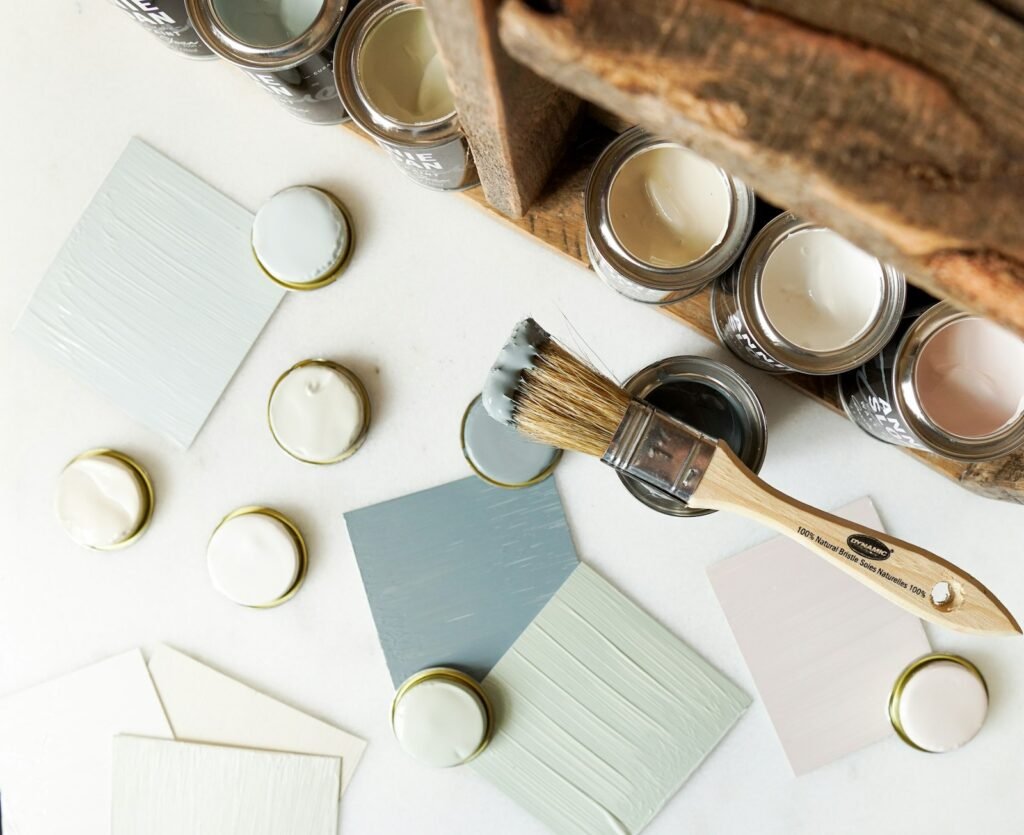
- Too much paint. Thick paint floods the gaps and prints a blob instead of dots. Fix: roll a thin coat onto the bubble tops only.
- Displaying the painted wrap itself. Acrylic doesn’t bond well to slick polyethylene, so it flakes. Fix: use the wrap as a stamp or mold, never as the finished surface.
- Painting damp joint compound. Trapped moisture makes the paint blister. Fix: wait until the vase is pale and dry all the way through.
- Water in a compound vase. Joint compound softens when it gets wet. Fix: put fresh flowers in a glass or plastic liner.
- Wrap near heat. Polyethylene softens far below the temperature of a flame or a hot bulb. Fix: LED lights only, and keep the wrap away from heat guns and irons.
What Do People Ask Before Crafting With Bubble Wrap?
Can you paint on bubble wrap?
You can, but the paint won’t grip for long. Bubble wrap is low-density polyethylene, a slick plastic that acrylic doesn’t bond to well. For lasting bubble wrap home decor, use the sheet as a stamp or a texture mold. If you must paint the wrap itself, prime it first and finish with 2 coats of clear spray.
What paint works best for bubble wrap printing?
Acrylic craft paint works on paper, canvas and wood, while fabric paint or acrylic with textile medium suits cushions. Bottles cost about $1 to $2 each in 2026. Roll a thin coat onto the bubble tops only and print one color at a time, letting each dry about 20 minutes.
How do you make a bubble wrap vase?
Coat a glass bottle in pre-mixed joint compound, press medium bubble wrap into it while it’s wet, then peel it away. Let it dry at least overnight, sand the peaks, then paint and seal. Supplies cost about $10 to $25. Use a glass liner for fresh flowers, because joint compound isn’t waterproof.
Is bubble wrap safe to use near candles?
No. Low-density polyethylene handles about 149°F continuously and 194°F only briefly, far below the heat of a candle flame. Use battery LED tealights inside any bubble wrap jar or luminary. A 12-pack costs about $8 to $15 and takes the fire risk out of the project completely.
Was bubble wrap really invented as wallpaper?
Yes. In 1957, Alfred Fielding and Marc Chavannes set out to make a textured plastic wallpaper. It failed as decor and succeeded as packaging, and Fielding co-founded Sealed Air in 1960. Printing and texturing with it today brings the material back to that original decorating idea.
Start With the Sheet in Your Last Delivery Box
- Pick one bubble size and test-print it on scrap paper first.
- Keep bubble wrap home decor to two colors pulled from the room.
- Let joint compound dry fully before any paint goes on.
- Keep every sheet away from flames, bulbs and irons.
Which wall in your home could carry a set of bold dots? Start with the printed canvas pair, then move up to a textured vase once your stamp pressure feels right. That’s the whole Home Decor Beauty approach to bubble wrap home decor: small, deliberate, and made from something you already have.
Found the perfect spot for that new vase near the front door? Our console formula for entryway decor shows how to group it with a lamp and a tray.
Sources: Wikipedia, Bubble wrap, retrieved 2026-09-25 – https://en.wikipedia.org/wiki/Bubble_wrap · Wikipedia, Low-density polyethylene, retrieved 2026-09-25 – https://en.wikipedia.org/wiki/Low-density_polyethylene · Precedence Research, Bubble Wrap Packaging Market Size and Trends 2026-2035, retrieved 2026-09-25 – https://www.precedenceresearch.com/bubble-wrap-packaging-market · Coherent Market Insights, Bubble Wrap Packaging Market Size and Share Analysis (2025-2032), retrieved 2026-09-25 – https://www.coherentmi.com/industry-reports/bubble-wrap-packaging-market · U.S. EPA, Containers and Packaging: Product-Specific Data, retrieved 2026-09-25 – https://www.epa.gov/facts-and-figures-about-materials-waste-and-recycling/containers-and-packaging-product-specific · U.S. Plastics Pact, 2024-25 Impact Report, retrieved 2026-09-25 – https://usplasticspact.org/2024-25-impact-report/ · Pinterest Newsroom, Pinterest Predicts 2026, retrieved 2026-09-25 – https://newsroom.pinterest.com/news/pinterest-predicts-nonconformity-self-preservation-and-escapism-drive-21-trends-for-2026/