Japandi Rug Guide: Materials, Sizing and Budget
The global area rugs market is valued at $13.40 billion in 2025 and is projected to reach $24.05 billion by 2034, a 6.71% annual climb, according to Fortune Business Insights, with wool alone holding roughly 22% of that market. A japandi rug is where most of that natural-fiber growth is actually headed: quiet color, real texture, nothing printed or synthetic pretending otherwise.
The hard part isn’t finding a japandi rug, it’s sizing and placing this piece so the room feels grounded instead of empty. Here you’ll get 16 ideas, a materials-matching table, and the layering rules that keep a minimalist room from tipping into bare. One good rug changes more than almost any other single purchase.
Key Takeaways
• Size the rug so all main furniture legs sit on it, with a visible floor border around the edge.
• Our picks start at $30 and build to a full $400 wool area rug.
• One neutral base tone, texture does the rest of the work.
Table of Contents
How to Spot a True Japandi Rug
This choice comes down to natural fiber and restraint, wool, jute, or bamboo silk in a quiet neutral, never a bold synthetic print.
Low pile is the defining texture, these rugs sit close and flat rather than plush and deep, echoing the low-profile furniture the rest of the style favors. Subtle texture, like a herringbone weave or a faint stripe, adds interest without introducing pattern loud enough to compete with the room.
My first attempt at this was a rug two sizes too small, the furniture floated above it like an island, and the whole room felt unfinished. Sizing up to cover all the front furniture legs fixed it instantly. Size generously. It’s the easiest mistake to avoid and the hardest to notice until it’s fixed.
Ground the room. Don’t just cover the floor.
Jute, Wool and Other Japandi Rug Materials
In 2025, wool holds approximately 22% of the global area rugs market, prized for its natural stain resistance and soft texture, reports Fortune Business Insights. Jute, sisal, and bamboo silk round out the rest of the natural-fiber options that fit this style.
The table below matches ten materials to room use and cost, the practical detail most style roundups skip entirely.
| Material | Best Use | 2026 Cost | Difficulty | Durability |
|---|---|---|---|---|
| Wool low-pile | Living room, bedroom | $150–$450 | Easy | High |
| Jute | Dining room, entry | $40–$120 | Easy | Medium |
| Sisal | High-traffic areas | $50–$150 | Easy | High |
| Bamboo silk blend | Statement piece | $120–$350 | Medium | Medium |
| Cotton flatweave | Layering, kitchen | $30–$90 | Easy | Medium |
| Wool-jute blend | Living room | $100–$280 | Easy | High |
| Tatami-style mat | Reading nook, accent | $60–$150 | Medium | High |
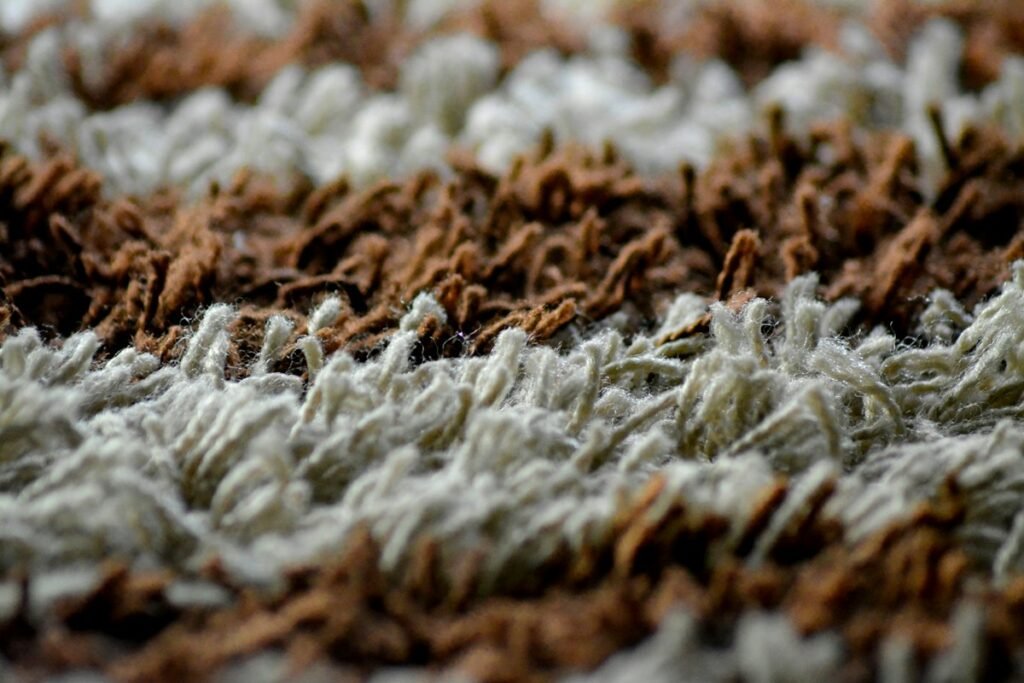
| Shag low-pile wool | Bedroom softness | $180–$400 | Easy | Medium |
| Recycled cotton | Budget layering | $25–$60 | Easy | Medium |
| Wool-blend runner | Hallway, kitchen | $50–$140 | Easy | High |
Living Room Japandi Rug Ideas
Around 31% of manufacturers report shortages in premium wool and jute sourced from India and Turkey, per Fortune Business Insights, a sign of just how much demand for natural-fiber rugs has grown. These seven ideas anchor most japandi living rooms from our decor styles collection.
1. Wool Low-Pile Area Rug
A low-pile wool rug ($150–$450 in 2026) in oat, charcoal, or clay is the single most recognizable choice in this style. Size it so every front leg of the sofa and chairs sits on the rug, undersized rugs are the most common mistake we see in this style.
2. Jute Layered Under Wool
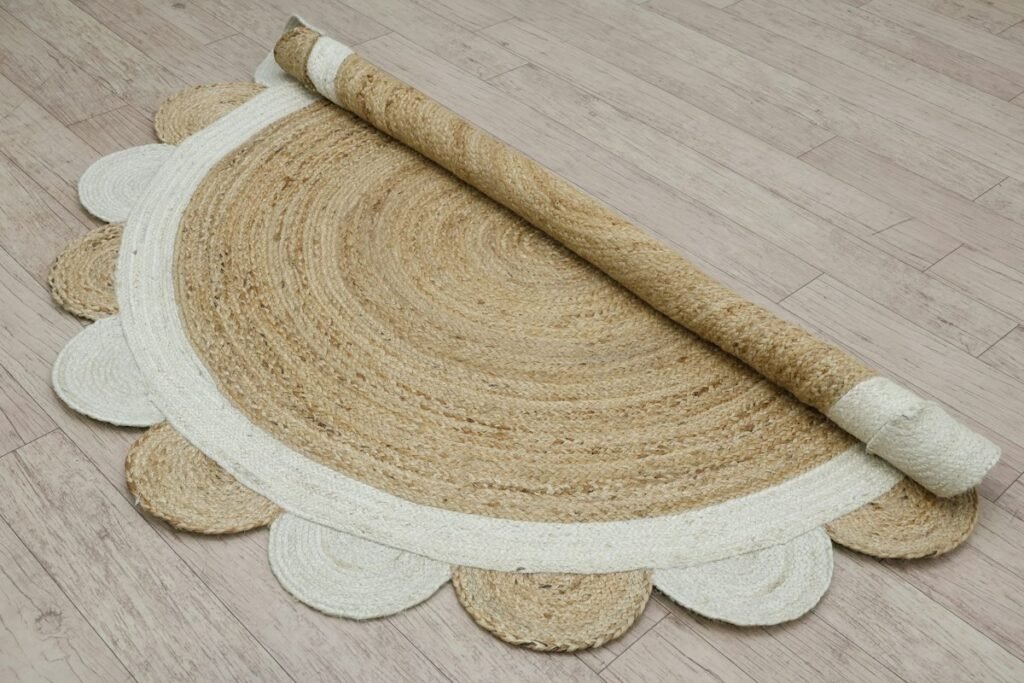
A large jute rug ($40–$120) underneath a smaller wool rug adds two textures and visual depth for less than one large wool piece alone. Layering also protects the more expensive wool rug from the highest-traffic center of the room.
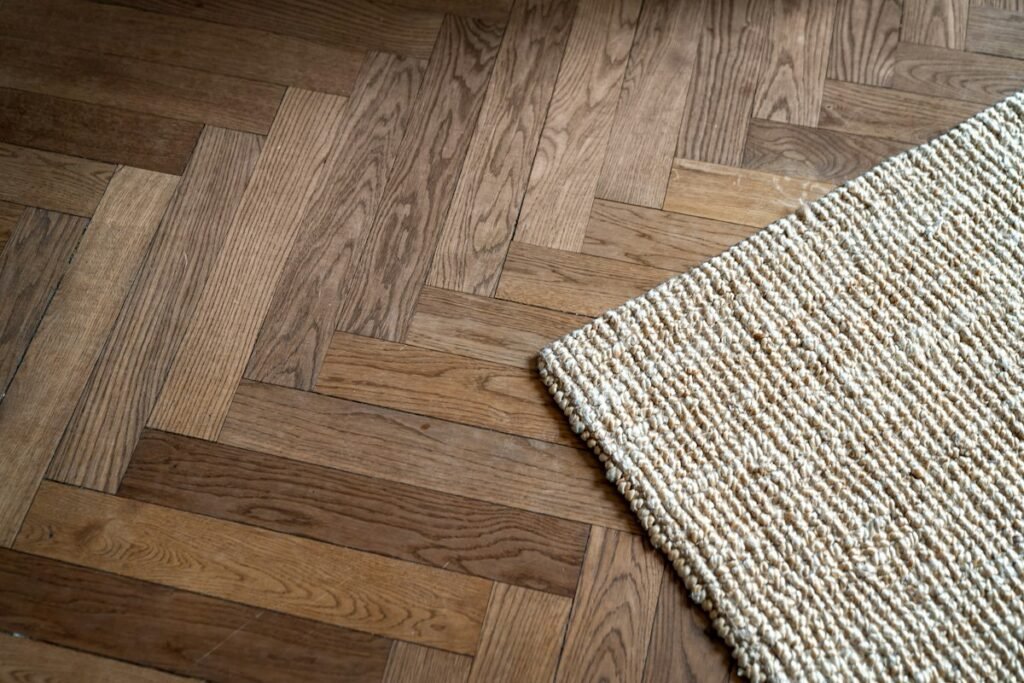
3. Herringbone Weave Rug
A subtle herringbone-weave rug ($120–$300) adds pattern through texture rather than color or print, exactly the kind of visual interest japandi rooms lean on. It reads as detailed up close and calm from across the room.
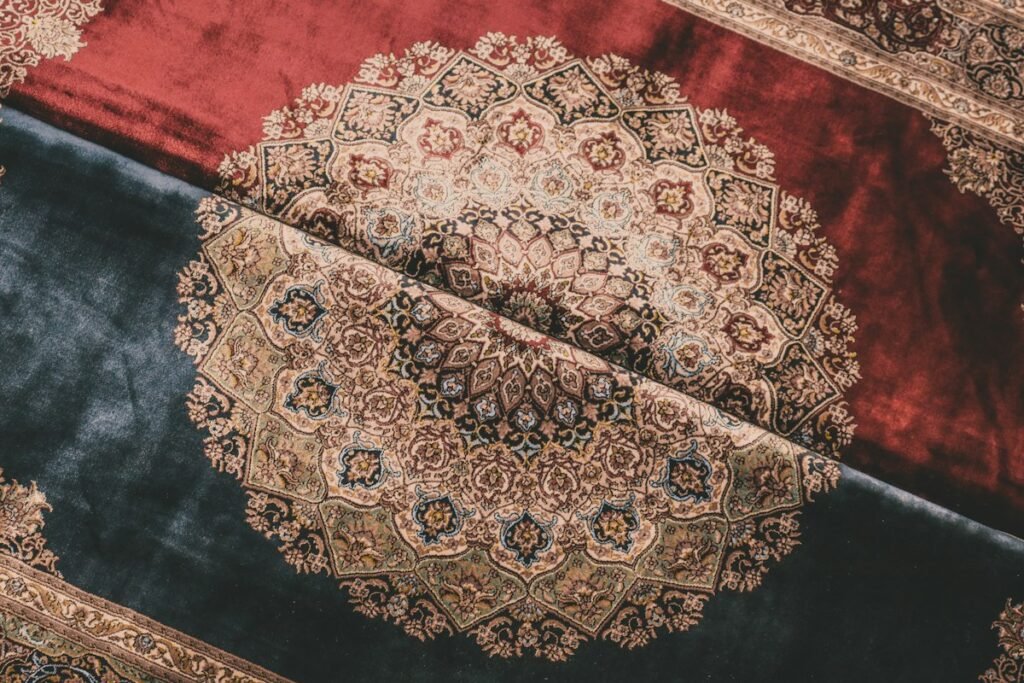
4. Bamboo Silk Statement Rug
A bamboo silk blend rug ($120–$350) brings a subtle sheen that shifts with the light, the closest this style gets to a luxury statement piece. Keep it in a lower-traffic room; the fibers are softer and less durable than wool.
5. Wool-Jute Blend Rug
A blended wool-jute rug ($100–$280) balances softness and durability at a lower cost than pure wool. At Home Decor Beauty, we recommend this blend for households with kids or pets, it hides wear far better than jute alone.
6. Round Rug Under a Reading Chair
A round wool or jute rug ($60–$150) under a single accent chair defines a reading corner without a full room-sized purchase. The round shape softens the straight lines low-profile japandi furniture tends to have.

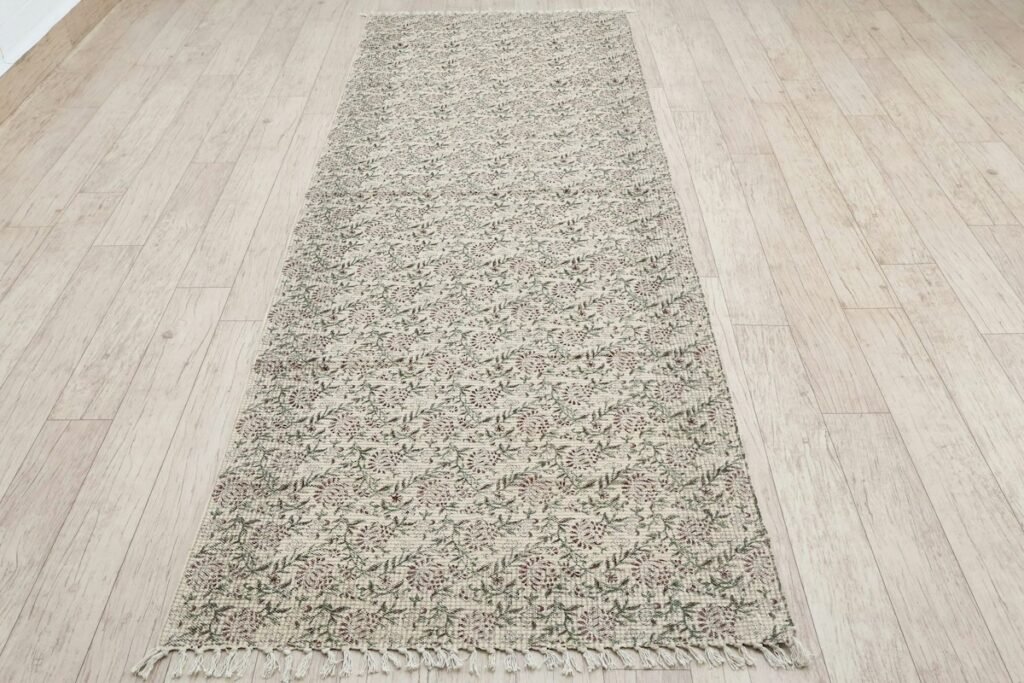
7. Wool-Blend Hallway Runner
A slim wool-blend runner ($50–$140) carries the palette into a hallway or entry, tying the whole home together rather than confining the style to one room. Choose a low pile here too, high pile catches and holds foot traffic dirt.
Bedroom and Small-Space Japandi Rug Ideas
28% of rug brands now offer eco-friendly options made from recycled fibers, jute, and organic cotton, according to Fortune Business Insights, and most of those budget-friendly lines work perfectly in smaller rooms and rentals. These six ideas need no permanent installation.
8. Bedside Cotton Flatweave Pair
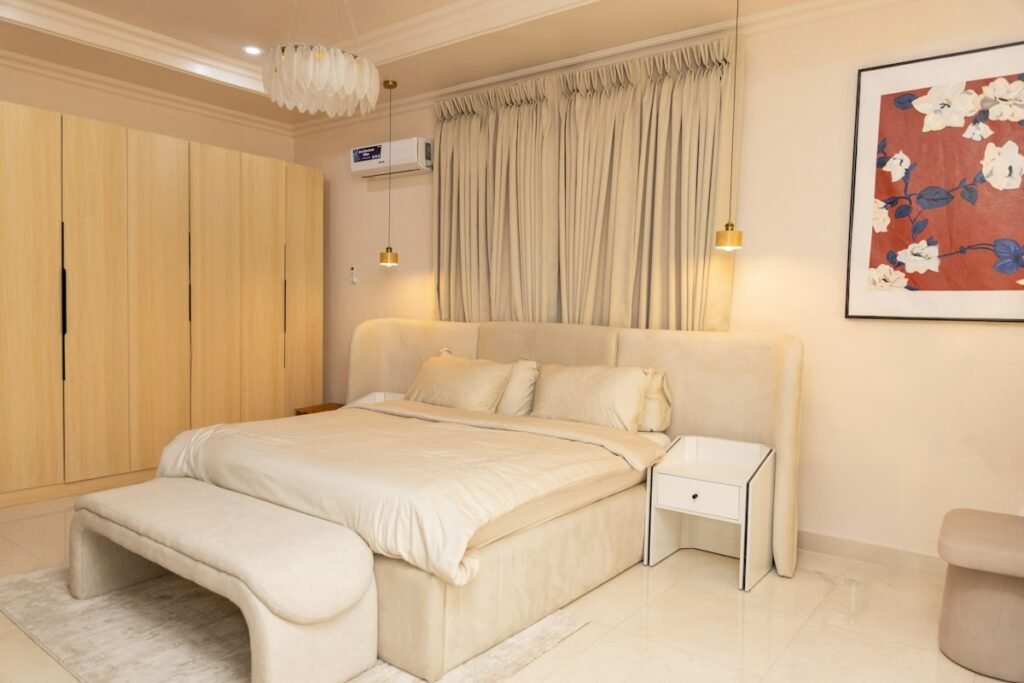
Two small cotton flatweave rugs ($30–$90 for both) placed on either side of the bed keep feet off cold flooring without one large expensive purchase. Flatweave also stores flat and washes easier than pile rugs.
9. Tatami-Style Accent Mat
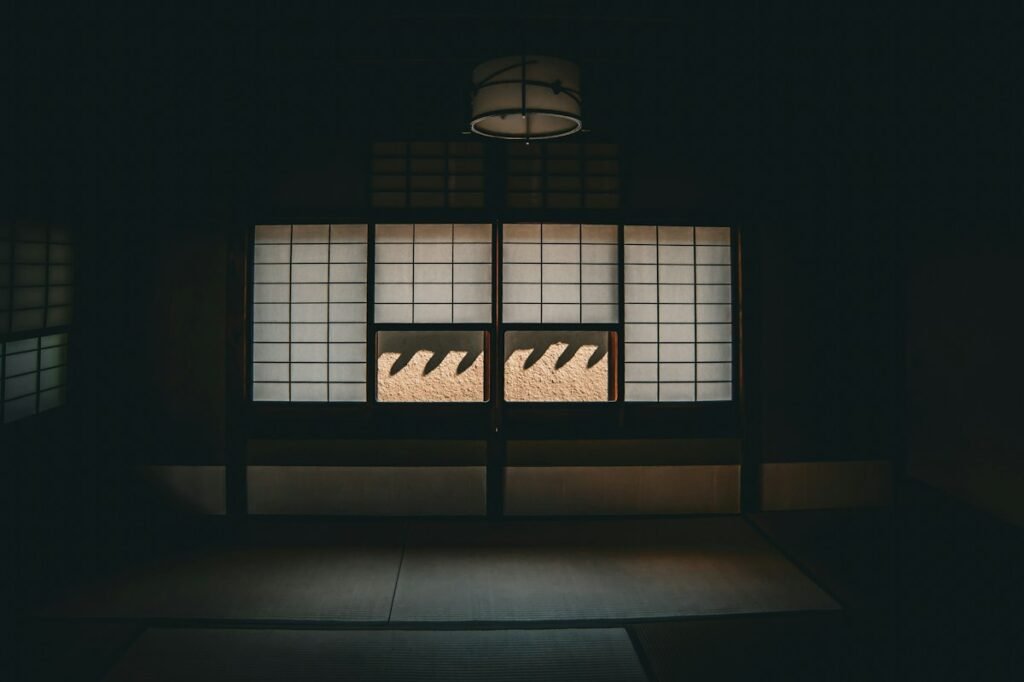
A woven tatami-style mat ($60–$150) under a small seating nook brings an authentic Japanese material reference the rest of the style only echoes. It’s firm underfoot, not soft, pair it with a floor cushion for actual comfort.
10. Recycled Cotton Layering Rug
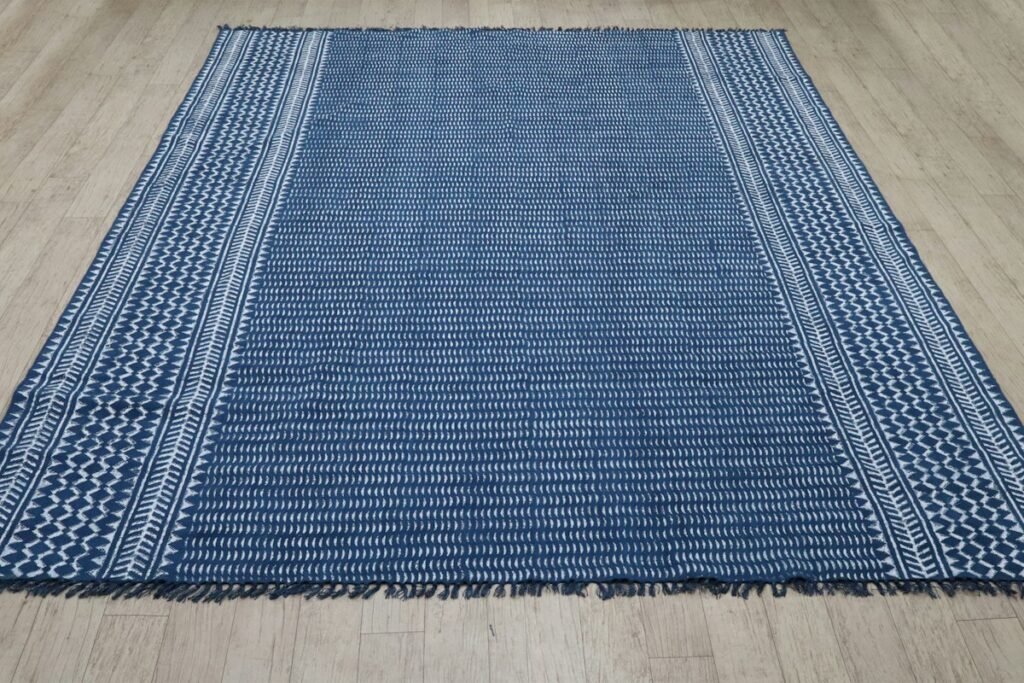
A budget recycled-cotton rug ($25–$60) works as the base layer under a smaller statement piece, or alone in a first apartment. It’s the cheapest genuinely natural-fiber option in this entire guide.
11. Rug Pad Upgrade
A quality felt rug pad ($20–$45) under any existing rug improves both comfort and how flat the rug lies, a rug that ripples or slides undercuts even the best material choice above it. It’s the least visible, most impactful upgrade on this list.
12. Sisal Entry Mat
A durable sisal mat ($30–$70) at the front entry handles heavy foot traffic and dirt better than any other natural fiber on this list. It’s functional first, decorative second, exactly the priority order japandi design favors.
13. Layered Round-on-Rectangle
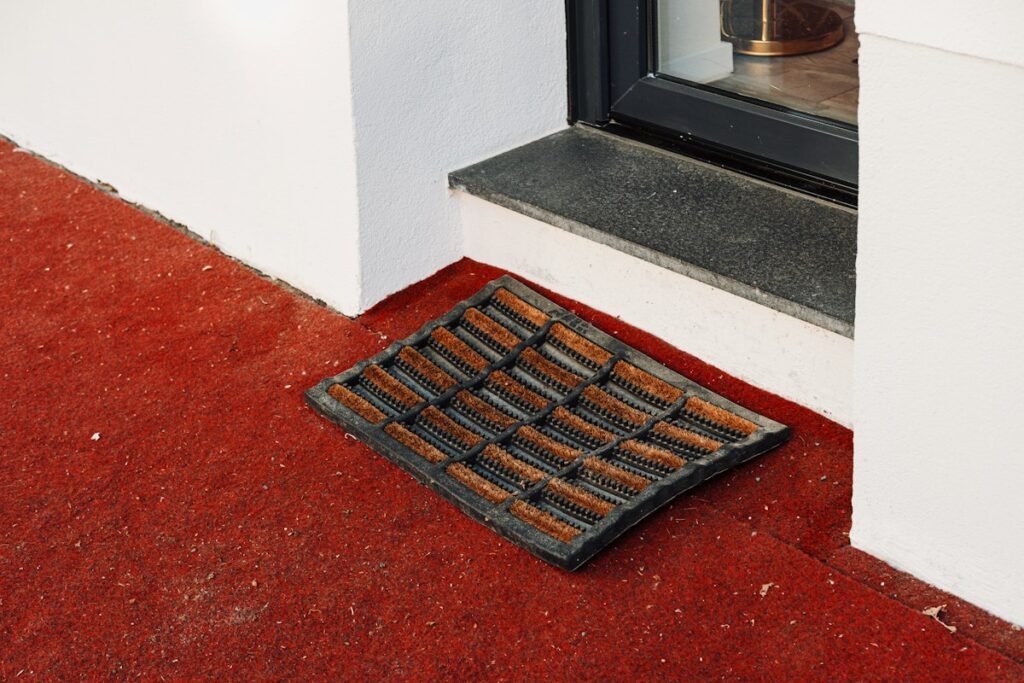
A small round jute rug layered off-center on a larger rectangular wool rug adds shape variation without introducing a second color or pattern. It’s a designer trick that costs nothing extra beyond the two rugs themselves.
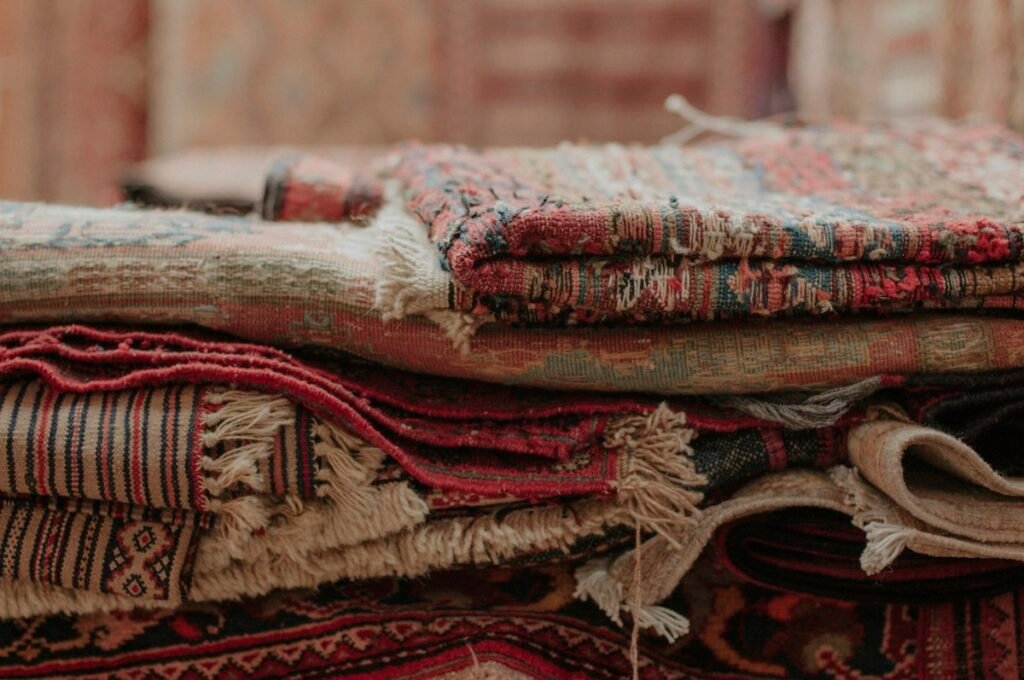
Japandi Rugs at Every Price
In 2025, 28% of Americans trimmed decorating budgets and 37% kept total seasonal spending under $100, per a Rocket Mortgage survey, and a rug is one purchase worth stretching for, since it anchors the whole room. Our budget decor section covers more room-by-room priority calls like this one.
Under $75 (Idea 14)
Idea 14 is a recycled-cotton layering rug paired with a felt rug pad, around $45–$105 together, stretch to the pad even on a tight budget, since it makes any rug perform better. Most ideas under $75 rely on cotton or recycled fiber rather than wool, which keeps cost low without losing the natural-material look entirely.
$75 to $250 (Idea 15)
Idea 15 is a wool-jute blend area rug sized for the main living room seating, roughly $100–$250 depending on size, the sweet spot between pure wool’s cost and jute alone’s shorter lifespan.
$250 and Up (Idea 16)
Idea 16 is the full wool low-pile area rug sized generously under all main furniture, plus a matching hallway runner, $350–$450 assembled in 2026. Buy the largest room’s rug first; it anchors the whole home’s palette more than any smaller piece.
How Do You Size a Japandi Rug Correctly?
Rug sizing trips up more shoppers than material choice or color ever does, and it matters more in this style than almost any other, since an undersized rug breaks the grounded, calm feeling japandi depends on. The standard rule: in a living room, all front furniture legs, sofa, chairs, should sit on the rug, even if the back legs float off the edge.
In a bedroom, the rug should extend at least 18 to 24 inches beyond each side of the bed frame, so your feet land on rug rather than cold floor when you get up. For a dining room, add at least 24 inches beyond the table on every side, enough that chairs stay on the rug even when pulled out.
Leave a visible border of bare floor around the rug’s edge, typically 8 to 18 inches depending on room size. That border is what keeps a large rug from feeling like wall-to-wall carpet, and it’s the detail that separates a genuinely grounded room from one that just happens to have a rug in it.
How Is a Japandi Rug Different from a Scandinavian Rug?
The two overlap enough that showrooms often shelve them together, but the difference matters once you’re comparing actual samples underfoot. A Scandinavian rug tends toward brighter, cooler neutrals, crisp white, pale gray, soft blue, often woven flat with a graphic geometric pattern that reads modern and clean.
A japandi rug keeps that same restraint but pulls the palette warmer and quieter, oat, clay, charcoal, and leans on texture instead of graphic pattern to add interest. Where a Scandinavian rug might use a bold geometric print, a japandi rug does the same visual work through weave and fiber alone.
The simplest test while shopping: if a rug sample would look equally at home under bright Nordic daylight, it’s leaning Scandinavian. If it feels warmer and slightly more shadowed even in good light, that’s japandi, and that’s the target every idea in this guide points toward.
What Mistakes Ruin a Japandi Rug’s Look?
Even good rug choices fail on execution. The five mistakes we see most, each with a one-sentence fix:
- Buying too small. Fix: size up so all front furniture legs sit on the rug, not just the coffee table.
- Skipping the rug pad. Fix: add a felt pad underneath, it prevents slipping and extends the rug’s lifespan significantly.
- Choosing bold pattern over texture. Fix: let weave and material provide visual interest instead of a busy printed design.
- Mixing too many rug colors in one home. Fix: stick to one neutral family throughout, varying only texture room to room.
- Ignoring durability for high-traffic areas. Fix: reserve delicate bamboo silk for low-traffic rooms and use sisal or wool blends near entries.
Japandi Rug FAQ
What people usually want to know before buying a Japandi rug.
What size japandi rug do I need for my living room?
Size it so every front leg of the sofa and chairs sits on the rug, even if the back legs extend off the edge. For most standard living rooms, that means an 8-by-10 or 9-by-12 foot rug, though exact sizing depends on your furniture layout and room dimensions.
What is the best material for a japandi rug?
Wool low-pile is the most popular choice, holding roughly 22% of the global area rugs market thanks to its durability and soft texture, per Fortune Business Insights. Jute and sisal work well as budget-friendly or high-traffic alternatives with a similar natural-fiber look.
How much does a japandi rug cost?
Prices range from $25 for a small recycled-cotton mat to $450 for a large wool area rug in 2026, with most complete living room setups landing between $100 and $280. With 37% of Americans keeping seasonal decor spending under $100 (Rocket Mortgage, 2025), starting with a smaller room is a common budget strategy.
Can you layer two rugs in a japandi room?
Yes, layering a smaller wool or bamboo silk rug over a larger jute base is a common technique that adds texture depth without introducing a second color or pattern. It also protects the more delicate top rug from the highest-traffic center of the room.
Is jute or wool better for a japandi rug?
Wool wins on softness, stain resistance, and longevity, while jute wins on price and authentic natural texture. Many japandi rooms use jute as a budget-friendly base layer and wool for the piece that gets the most direct contact, like under a coffee table or bed.
A Room, Grounded
Size generously, choose natural fiber, leave a floor border. That’s the whole method:
- Size up, not down: every front furniture leg belongs on the rug.
- Texture over pattern: weave and material carry the visual interest.
- One neutral family: vary texture room to room, not color.
So which room gets its rug first, the living room everyone sees, or the bedroom you’ll feel underfoot every morning? Once the floor is grounded, layer in the furniture with our japandi furniture ideas. At Home Decor Beauty, we cover everything you need to know about decor styles, from a $30 jute mat to a full wool area rug refresh.
Pair your rug with pieces from our Japandi furniture guide.
Sources: Fortune Business Insights, “Area Rugs Market Size, Share, Growth,” retrieved 2026-07-18, https://www.fortunebusinessinsights.com/area-rugs-market-116159; Rocket Mortgage, “Americans Are Spending Less on Holiday Decor and Gifts,” 2025, retrieved 2026-07-18, https://www.rocketmortgage.com/learn/americans-are-spending-less-on-holiday-decor-gifts.